
TL;DR:
- Essential fitness gear should prioritize durability, comfort, safety, affordability, space efficiency, and versatility.
- Training goals determine the most effective gear, such as belts for powerlifting or mats for HIIT.
- Start with minimal, purposeful equipment and upgrade based on actual training needs to avoid overbuying.
Walk into any sporting goods site and you’ll find hundreds of products all claiming to be must-haves. Resistance bands, lifting belts, wraps, straps, gloves, mats — the list never ends, and neither does the marketing noise. For serious fitness enthusiasts and bodybuilders, this creates a real problem: buying the wrong gear wastes money and can actually slow your progress. The good news is that once you know what criteria actually matter, narrowing down your list gets a lot easier. This guide cuts through the clutter with clear criteria, curated picks, side-by-side comparisons, and goal-specific recommendations so you can build a lineup that works.
Table of Contents
- What makes gear essential? Key criteria for selection
- Top fitness gear essentials every enthusiast needs
- Comparison table: Features, price, and value for key gear
- Situational picks: Gear essentials by workout goal
- A smarter way to build your gear lineup
- Find quality fitness essentials for every workout
- Frequently asked questions
Key Takeaways
| Point | Details |
|---|---|
| Prioritize essentials | Focus on proven, multipurpose gear to streamline training and save money. |
| Let goals guide choices | Select equipment that best supports your specific workout routines and goals. |
| Smart upgrades over time | Start with basics, then add or replace items as your needs evolve with your training. |
| Comparison drives value | Use side-by-side analysis to avoid unnecessary purchases and get the most for your budget. |
What makes gear essential? Key criteria for selection
Before jumping into which gear to buy, let’s clarify what actually makes a piece of equipment truly essential. Not every product that gets hyped on social media earns a permanent spot in your gym bag. Here’s what to look for when evaluating any piece of fitness gear.
The core criteria:
- Durability: Gear that wears out in three months costs you more in the long run. Look for reinforced stitching, quality materials like neoprene or leather, and verified user ratings.
- Comfort and fit: Poorly fitting gloves or a belt that digs into your ribs will wreck your focus mid-set. Adjustable closures and breathable fabrics are non-negotiable for serious training.
- Safety: Wrist wraps, lifting belts, and knee sleeves exist for a reason. Proper support reduces injury risk during heavy compound movements.
- Affordability: You don’t need to spend a fortune. Mid-range products with strong reviews often outperform overpriced premium brands.
- Space efficiency: Especially for home gym users, gear that stores easily or doubles for multiple exercises is far more valuable than single-purpose machines.
- Versatility: Resistance bands, for example, work for warm-ups, strength training, mobility work, and rehab. That’s four uses in one compact product.
- Recovery support: Foam rollers, massage tools, and compression gear are often overlooked but play a real role in how fast you bounce back between sessions.
“Choosing the right accessories can significantly boost training efficiency and recovery.”
Pro Tip: Before buying anything new, ask yourself: does this item improve safety, performance, or recovery? If it doesn’t clearly check at least one of those boxes, skip it. Learning how to choose fitness accessories with purpose saves you money and keeps your setup lean.
User reviews are another underrated filter. Real lifters who’ve trained with a product for six months will tell you things no product description ever will. Prioritize gear with consistent four-star-plus ratings across multiple platforms before committing.
Top fitness gear essentials every enthusiast needs
With selection criteria in mind, let’s dive into which fitness gear actually deserves your investment. These are the items that show up again and again in serious training setups, whether you’re lifting in a commercial gym or working out at home.
- Lifting gloves: Protect your palms, improve grip, and reduce callus buildup. Look for fingerless designs with breathable mesh panels and wrist support. Great for pull-ups, deadlifts, and rows.
- Weightlifting belt: A must for heavy squats and deadlifts. A good belt stabilizes your core and spine under load. Leather belts last longer; nylon options are lighter and more flexible.
- Resistance bands: One of the most versatile tools in any gym bag. Use them for warm-ups, accessory work, assisted pull-ups, or full band-only workouts. Buy a set with multiple resistance levels.
- Lifting straps: When your grip gives out before your back or legs do, straps let you keep pulling. Essential for high-volume deadlift and row sessions.
- Workout mat: Non-slip, cushioned mats protect your joints during floor work and keep your footing stable during bodyweight circuits or stretching.
- Water bottle: Hydration directly affects performance. Insulated stainless steel bottles maintain temperature for hours and hold up to daily gym use far better than plastic.
- Knee sleeves: Provide compression and warmth to the knee joint during squats and lunges. Particularly valuable for lifters with prior knee issues or those training at high volume.
“Consistent use of the right gear directly supports muscle-building and safety.”
Pro Tip: If you’re building a home gym gear list from scratch, start with resistance bands, a mat, and gloves. These three items cover the widest range of exercises at the lowest cost. You can always add accessories for training gains as your routine evolves.
For budget shoppers, nylon belts and basic grip gloves get the job done. For intermediate to advanced lifters, investing in a leather belt and quality lifting straps pays off in both performance and longevity.
Comparison table: Features, price, and value for key gear
Now that you know the must-haves, here’s how top options stack up head-to-head. Use this table to quickly identify which gear fits your budget, space, and training needs.
| Gear type | Best uses | Est. price range | Space required | Durability | Key features |
|---|---|---|---|---|---|
| Lifting gloves | Pull-ups, deadlifts, rows | $10 to $35 | Minimal | Medium | Grip, palm protection, wrist wrap |
| Weightlifting belt | Squats, deadlifts | $20 to $80 | Minimal | High | Core support, adjustable fit |
| Resistance bands | Full body, mobility, rehab | $15 to $40 | Very low | Medium | Multiple resistance levels |
| Lifting straps | Heavy pulls, rows | $8 to $25 | Minimal | High | Cotton or nylon, wrist loop design |
| Workout mat | Floor work, stretching | $20 to $60 | Low to medium | Medium | Thickness, non-slip surface |
| Knee sleeves | Squats, lunges | $20 to $50 | Minimal | High | Compression, neoprene material |
| Water bottle | All workouts | $15 to $40 | Minimal | High | Insulated, leak-proof lid |
Best picks by budget:
- Budget under $50 total: Resistance bands, lifting straps, and a basic mat cover the most ground for the least spend.
- Mid-range $50 to $150: Add gloves and a nylon belt to the above for a complete starter setup.
- Pro level $150 and up: Leather belt, neoprene knee sleeves, and a premium insulated bottle round out a serious kit.
As home gym essentials 2026 research confirms, compact and versatile equipment can significantly increase workout frequency at home. Pair that with smart gear choices from your home workout equipment ideas list, and you’ve got a setup that grows with you without taking over your living room.
The bottom line from this comparison: price and performance don’t always move together. A $15 set of lifting straps can outlast a $60 pair of gloves if you take care of them. Buy smart, not expensive.
Situational picks: Gear essentials by workout goal
Of course, the perfect gear set depends on your training style and goals. Here’s how to fine-tune for the results you want.
Goal-specific gear picks:
- Powerlifting: Leather lifting belt, knee sleeves, wrist wraps, and chalk or lifting straps. Every item serves a direct function under maximal load.
- Bodybuilding: Lifting gloves, a belt for compound lifts, resistance bands for pump work and supersets, and a reliable water bottle for high-volume sessions.
- Home workouts: Resistance bands, a quality mat, and adjustable dumbbells if budget allows. These three cover strength, cardio, and flexibility without needing a dedicated room.
- HIIT training: Non-slip mat, breathable gloves, and a jump rope. Lightweight and portable gear wins here since you’re moving fast between exercises.
- Recovery-focused routines: Foam roller, compression sleeves, and a massage ball. These tools reduce soreness and keep you training consistently without burnout.
Pro Tip: Your accessories for training efficiency should match your primary goal first and your secondary goals second. Don’t buy powerlifting gear if you train HIIT five days a week.
Quick-reference gear by goal:
| Training goal | Priority gear | Secondary gear |
|---|---|---|
| Powerlifting | Belt, knee sleeves, straps | Wrist wraps, chalk |
| Bodybuilding | Gloves, belt, bands | Water bottle, mat |
| Home workouts | Bands, mat | Dumbbells, jump rope |
| HIIT | Mat, gloves | Jump rope, water bottle |
| Recovery | Foam roller, compression | Massage ball, stretching strap |
As accessory choice matters for goal-specific efficiency and injury prevention, aligning your purchases with your actual routine is what separates smart shoppers from impulsive ones. Check out what personal trainer accessories look like for a professional-level reference point.
A smarter way to build your gear lineup
Here’s an uncomfortable truth most fitness content won’t tell you: the majority of lifters overbuy gear in their first year. They see a pro athlete wearing five different accessories and assume they need the same setup on day one. They don’t.
The smarter approach is to start minimal and let your training reveal your actual needs. You’ll quickly discover whether your grip is the limiting factor in your deadlifts (straps), whether your lower back fatigues before your legs do (belt), or whether knee discomfort is creeping in during squats (sleeves). Real training tells you what you need. Marketing doesn’t.
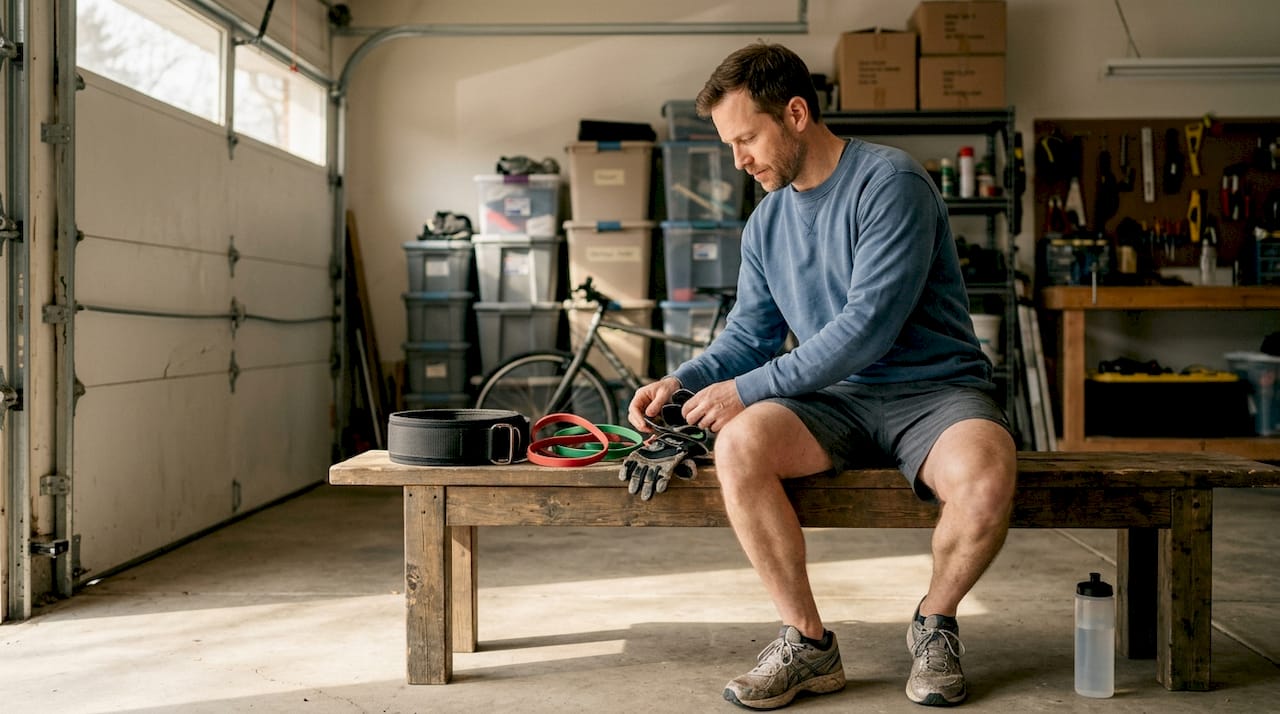
As your training advances, upgrade intentionally. Swap out your nylon belt for leather when you’re consistently pulling over twice your bodyweight. Move from basic gloves to lifting straps when grip becomes a genuine performance barrier. The goal is a lean, purposeful kit where every item earns its spot. Gear that helps you maximize strength gains is gear that solves a real problem you’ve actually experienced, not one you’ve been told to worry about.
Start with three to four items. Train hard. Then upgrade based on evidence, not excitement.
Find quality fitness essentials for every workout
Ready to build your lineup? Here’s where to find the best value and quality in one spot.
At Armageddon Sports, we’ve curated a full range of gear built for real training demands, not just shelf appeal. Whether you’re stocking up on fitness accessories for a home setup or upgrading your gym bag with better workout gloves and premium lifting gear, you’ll find options that match every budget and training level. Our products are selected for durability, performance, and value, so you’re not paying for hype. Browse the full collection and match your gear to your goals without the guesswork.
Frequently asked questions
What are the most important items for a beginner’s fitness gear lineup?
Start with lifting gloves, resistance bands, and a stable workout mat. These three items provide a strong foundation for safe, effective training across a wide range of exercises.
How often should I replace my fitness gear?
Replace high-wear items like gloves and resistance bands every 6 to 12 months, or sooner if you notice tears or loss of elasticity. Long-lasting gear ensures consistent performance and keeps you safe under load.
Is expensive gear always better than budget options?
Not always. Focus on durability and user reviews rather than brand names. Smart shopping consistently yields affordable gear without sacrificing quality or performance.
How do I match my gear to my workout goals?
Choose gear based on your primary training activity. Belts and straps suit heavy lifting, while bands and mats serve goal-specific efficiency for home workouts and resistance-based routines.
Recommended
- Fitness Accessories - Home Gym Equipment for Workout and Exercise | Armageddon Sports
- Top fitness accessories to elevate your training gains – Armageddon Sports
- Types of Weightlifting Gear: 7 Essentials Boosting Performance 40% – Armageddon Sports
- How to choose fitness accessories for better workouts 2026 – Armageddon Sports