
Selecting the right weightlifting gear can feel overwhelming with countless options flooding the market. The truth is, proper gear directly influences your training efficiency, safety, and recovery outcomes. This guide breaks down seven essential types of weightlifting gear, explaining their specific functions and helping you choose based on your training level and goals.
Table of Contents
- How To Choose Weightlifting Gear: Key Selection Criteria
- Weightlifting Belts
- Wrist Wraps
- Weightlifting Gloves
- Lifting Straps
- Knee Sleeves
- Chalk
- Weightlifting Shoes
- Comparison Of Weightlifting Gear Types
- Situational Recommendations And Final Tips
- Optimize Your Training With Quality Weightlifting Gear
- FAQ
Key Takeaways
| Point | Details |
|---|---|
| Gear falls into three main categories | Support gear (belts, wraps), grip enhancers (straps, chalk), and performance tools (shoes, gloves). |
| Selection depends on training stage | Beginners need basic support; advanced lifters require specialized performance gear. |
| Belts and wraps protect joints | These items stabilize wrists and spine during heavy compound movements. |
| Straps and chalk boost grip | Grip aids prevent bar slippage and extend endurance during pulling exercises. |
| Shoes improve lifting mechanics | Proper footwear enhances squat depth and force transfer for Olympic and powerlifters. |
How to Choose Weightlifting Gear: Key Selection Criteria
Safety stands as your top priority when selecting any weightlifting accessory. Every piece of gear should actively reduce injury risk while supporting proper form.
Assess the support level your joints and grip require for your specific lifts. Heavy squatters need different tools than Olympic lifters or bodybuilders focused on isolation work.
Material quality determines how long your gear performs effectively. Cheap equipment fails faster and provides inconsistent support when you need it most.
Comfort and proper fit encourage daily use. Gear that pinches, slips, or restricts movement sits unused in your gym bag.
Balance price against longevity and performance impact. A $100 belt lasting five years costs less per session than replacing $30 belts annually.
Pro Tip: Buy one high quality item at a time rather than a full set of budget gear. Your belt and wraps matter more than matching colors.
Explore the full lifting equipment collection to compare quality options across categories.
With these criteria in mind, let’s review individual types of gear, starting with weightlifting belts.
Weightlifting Belts
Weightlifting belts increase intra-abdominal pressure by 20%, reducing lumbar spine stress during maximal lifts. This pressure creates a rigid torso cylinder that protects your spine under heavy loads.
Belts work best for compound movements like squats, deadlifts, and overhead presses. Single joint exercises rarely require the added stability.
Intermediate and advanced lifters gain the most benefit. Beginners should master bracing mechanics with bodyweight and lighter loads first.
Expect to invest between $30 and $100 depending on leather quality and buckle type. Powerlifting belts run wider and stiffer than general purpose options.
Fit matters more than brand name. The belt should sit snugly around your natural waist without restricting breathing between reps.
Pro Tip: Measure your waist while bracing hard, not relaxed. Order based on this expanded measurement for proper working fit.
Browse quality weightlifting belts collection designed for serious lifters.
Next, we’ll explore wrist wraps, another key support gear to protect joints during pressing movements.
Wrist Wraps
Wrist wraps can improve maximal wrist extension torque by around 10 to 12% during pressing movements. They compress and stabilize the small bones and connective tissues that handle tremendous force.
Overhead presses, bench press variations, and push exercises all stress wrist joints significantly. Wraps provide crucial support as weights increase.
Powerlifters and bodybuilders rely heavily on wrist wraps for pressing workouts. The stability boost translates directly to heavier loads and reduced pain.
Quality wraps cost between $15 and $50. Stiffer wraps offer more support but less flexibility for different wrap tensions.
Compared to gloves, wraps deliver superior joint protection but leave your palms exposed to calluses and friction.
Read about best wrist wraps for lifting to understand different stiffness levels and wrap techniques.
For detailed comparison, check this wrist wraps versus gloves comparison analyzing support and grip differences.
With wrist support covered, let’s consider the pros and cons of weightlifting gloves for hand protection.
Weightlifting Gloves
Gloves protect your palms from calluses and reduce hand abrasion by up to 80% during high volume training. The padding creates a barrier between skin and knurled bars.
However, gloves reduce grip strength by 5 to 7% compared to bare hands. The extra material between your hand and the bar decreases tactile feedback and friction.
Lifters who prioritize hand appearance or deal with painful calluses benefit most from gloves. Competitive lifters usually skip them to maximize grip.
Prices range from $20 to $60 based on padding thickness and material quality. Leather lasts longer but synthetic options dry faster.
Choose snug fitting gloves that don’t bunch or slide. Excess material compromises both protection and grip security.
Pro Tip: Try fingerless designs first. They protect your palms while maintaining some direct bar contact for better feel.
Explore various weight lifting gloves options suited for different training styles.
Compare features directly at gloves versus wrist wraps to match your priorities.
Next, we examine lifting straps, a top choice for enhancing grip endurance in pulling exercises.
Lifting Straps
Straps improve grip endurance by 30 to 40%, letting you pull heavier weights longer. They wrap around the bar and your wrist, transferring load from your fingers to your forearms.
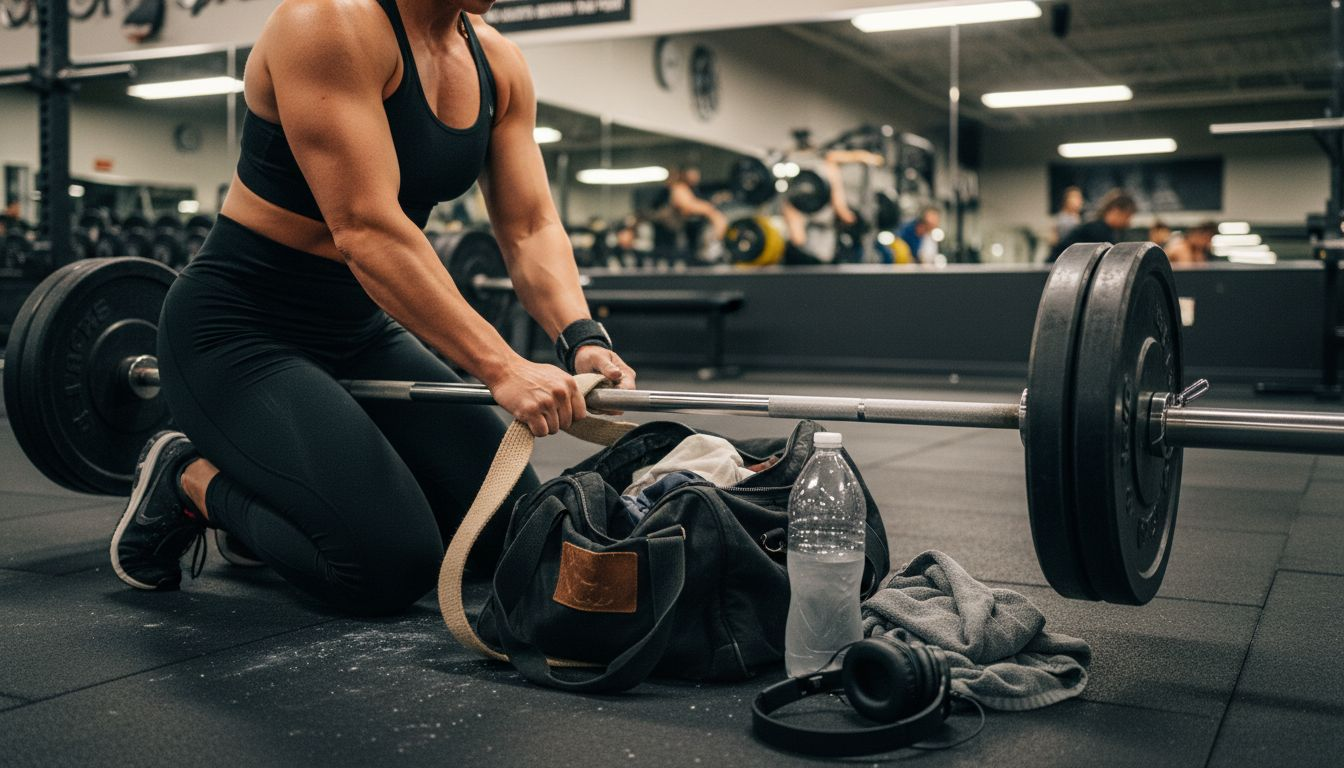
Deadlifts, rows, shrugs, and Olympic pulling variations all benefit from strap assistance. Your back and legs can handle more than your grip often allows.
Use straps when grip becomes the limiting factor in your training. Early in your lifting career, build natural grip strength without aids.
Most quality straps cost between $10 and $40. Cotton straps work for general training while nylon handles heavier powerlifting loads.
Proper technique prevents wrist strain and bar slippage. Wrap the strap tight around the bar in the direction of your grip.
Learn detailed methods at using lifting straps effectively including wrap direction and tension tips.
Having addressed grip support, let’s explore knee sleeves for joint compression and pain relief.
Knee Sleeves
Knee sleeves provide compression and warmth, reducing perceived knee pain by 25% and improving joint proprioception by about 15%. The neoprene material increases blood flow and joint awareness during heavy squats.
Squats, leg presses, lunges, and similar knee dominant exercises benefit most from sleeve support. The compression stabilizes the patella and surrounding tissues.
Lifters experiencing minor knee discomfort or pushing heavy leg training find sleeves valuable. They provide support without the restriction of knee wraps.
Expect to pay between $25 and $70 depending on thickness and brand. Thicker sleeves offer more support but reduce flexibility.
Sleeves should fit snugly without cutting off circulation. You want compression, not a tourniquet effect.
Understand the science at benefits of knee sleeves explaining compression and proprioception improvements.
Now, let’s look at chalk, a simple yet effective tool to improve grip friction.
Chalk
Chalk absorbs sweat and increases grip friction by up to 40%. This simple compound prevents bar slippage during any exercise requiring secure hand contact.
Every lifting discipline benefits from chalk. Powerlifters, Olympic lifters, bodybuilders, and CrossFit athletes all use it universally.
Chalk costs mere dollars and lasts months. Blocks, loose powder, and liquid versions all work effectively based on gym policies.
Unlike other grip aids, chalk provides no joint support. It purely prevents moisture from compromising your hold on the bar.
Any lifter seeking consistent grip performance should use chalk. It’s the most cost effective performance enhancer available.
Learn more about chalk benefits for weightlifting including friction mechanics and application methods.
Finally, we’ll cover weightlifting shoes and how they enhance stability and technique.
Weightlifting Shoes
The raised heel in weightlifting shoes, typically 0.5 to 1 inch, improves squat depth by 10 to 15%. This elevation compensates for limited ankle mobility while maintaining upright torso position.
The rigid sole prevents energy loss through foot compression. Every pound you lift transfers efficiently from floor to bar.
Olympic lifters and powerlifters focused on squat technique gain most from proper shoes. The stability and positioning advantages directly improve performance.
Quality lifting shoes range from $80 to $200. Higher prices typically reflect better materials and construction durability.
The secure fit and firm sole create a stable platform for maximum force production. Your feet shouldn’t move inside the shoe during lifts.
Comparison of Popular Weightlifting Shoe Features:
| Feature | Beginner Shoes | Competition Shoes |
|---|---|---|
| Heel Height | 0.5 to 0.75 inches | 0.75 to 1 inch |
| Sole Stiffness | Moderate | Very rigid |
| Price Range | $80 to $120 | $150 to $200 |
| Best For | Learning technique | Maximal lifts |
To wrap up the gear overview, let’s compare these options side by side for easy decision making.
Comparison of Weightlifting Gear Types
Understanding how different gear serves distinct purposes helps you invest wisely. Each category addresses specific performance or safety needs.
Joint support gear includes belts, wrist wraps, and knee sleeves. These items stabilize connective tissues under heavy loads.
Grip enhancement tools encompass straps and chalk. They prevent bar slippage and extend your pulling capacity.
Protection gear like gloves shields your hands from calluses. This comes at the cost of reduced grip strength.
Performance aids such as weightlifting shoes improve biomechanics and force transfer. They’re essential for technical lifting styles.
Complete Weightlifting Gear Comparison:
| Gear Type | Primary Function | Performance Impact | Typical Price | Best For |
|---|---|---|---|---|
| Belt | Spinal stability | 10 to 15% stress reduction | $30 to $100 | Heavy squats, deadlifts |
| Wrist Wraps | Joint support | 10 to 12% torque increase | $15 to $50 | Pressing movements |
| Gloves | Hand protection | 5 to 7% grip reduction | $20 to $60 | High volume training |
| Straps | Grip endurance | 30 to 40% grip boost | $10 to $40 | Pulling exercises |
| Knee Sleeves | Joint compression | 25% pain reduction | $25 to $70 | Heavy leg training |
| Chalk | Friction enhancement | 40% grip improvement | $5 to $20 | All exercises |
| Shoes | Biomechanics | 10 to 15% depth increase | $80 to $200 | Olympic lifts, squats |
Key advantages and limitations per category:
- Support gear provides injury prevention but adds bulk and heat
- Grip aids extend capacity but may reduce natural grip development
- Protection gear increases comfort but slightly impairs performance
- Performance shoes enhance technique but require significant investment
Compare expert insights at fitness accessories expert comparison for detailed feature analysis.
With a clear comparison, let’s finalize by matching gear choices to your specific workout scenarios.
Situational Recommendations and Final Tips
Your training stage determines which gear delivers the best return on investment. Smart purchasing follows a logical progression.
-
Beginners should start with a quality weightlifting belt and basic wrist wraps. These two items provide essential safety for learning compound lifts.
-
Intermediate lifters benefit from adding lifting straps and knee sleeves. As weights increase, joint protection and grip support become critical.
-
Bodybuilders prioritizing hand aesthetics may choose gloves despite the grip trade off. Volume matters more than absolute strength in this context.
-
Olympic lifters and powerlifters should invest in proper weightlifting shoes early. Technique improvements justify the higher cost immediately.
-
Budget conscious lifters can build their collection gradually. Buy the gear addressing your current limiting factors first.
Pro Tip: Test gear before competitions or max effort days. New equipment changes bar feel and movement patterns subtly.
Balance immediate needs against long term performance goals. Quality gear lasts years and improves every training session.
Having detailed the best gear for your training stage, discover how Armageddon Sports supports your journey in the next section.
Optimize Your Training with Quality Weightlifting Gear
Ready to upgrade your training with proven weightlifting essentials? Armageddon Sports delivers top quality belts, wraps, straps, gloves, and accessories designed for serious lifters.
Whether you’re just starting your strength journey or pushing for new personal records, you’ll find gear matching your exact training needs. Trusted brands combine durability with comfort at prices that respect your budget.
Every piece of equipment in the lifting gear collection undergoes rigorous quality testing. From beginner friendly options to competition grade tools, your performance and safety remain the priority.
Protect your joints, enhance your grip, and lift with confidence using professional grade weightlifting belts and support accessories. Your next breakthrough starts with the right equipment.
To help answer lingering questions, we conclude with a focused FAQ section.
FAQ
What types of weightlifting gear are must haves for beginners?
Beginners should prioritize a weightlifting belt and wrist wraps as foundational safety equipment. These items promote correct bracing mechanics and reduce injury risk during compound movements. Start with basic versions before investing in advanced competition gear.
Are weightlifting gloves better than lifting straps for grip?
Gloves protect your hands from calluses but reduce grip strength by 5 to 7%. Straps enhance grip endurance by up to 40%, making them superior for heavy pulling exercises. Choose based on whether hand protection or maximum grip matters more. Learn proper technique at lifting straps guide.
When should I invest in weightlifting shoes?
Weightlifting shoes benefit advanced Olympic lifters and powerlifters most. They improve squat depth by 10 to 15% and enhance ankle mobility for better positioning. Beginners should master basic movement patterns before investing in specialized footwear.
How do wrist wraps help reduce injury during lifting?
Wrist wraps stabilize tendons and ligaments, improving joint stability and increasing extension torque by about 10 to 12%. This support reduces strain during heavy pressing movements and allows safer progression to heavier weights. Proper wrap tension matters as much as wrap quality.