
Choosing the right fitness accessories can transform your training, but most lifters waste money on gear that breaks down quickly or doesn’t match their actual workout needs. Whether you’re pulling heavy deadlifts, pushing through overhead presses, or squatting deep, the wrong accessories limit your progress and drain your wallet. This guide walks you through a proven selection method that matches accessories to your specific training weaknesses, prioritizes durability through quality materials and trusted brands, and helps you avoid dependency while maximizing performance gains.
Table of Contents
- Assess Your Workout Needs And Weaknesses
- Prioritize Quality Materials And Trusted Brands
- Test Quality Through Reviews And Realistic Usage
- Use Accessories Wisely To Enhance, Not Replace, Training
- Shop Quality Fitness Accessories At Armageddon Sports
- Frequently Asked Questions
Key takeaways
| Point | Details |
|---|---|
| Match accessories to workout needs | Select gear that addresses your specific mechanical weaknesses like grip failure or joint instability. |
| Prioritize durable materials | Choose neoprene, leather, and nylon over cheap plastics for accessories that last 1-3 years under regular use. |
| Verify quality through reviews | Read authentic customer feedback and check warranty policies to avoid fake products and ensure reliability. |
| Use accessories to enhance training | Integrate gear strategically to support technique and progression without creating dependency. |
| Test gear gradually | Start with moderate training sessions to assess fit and effectiveness before full integration. |
Assess your workout needs and weaknesses
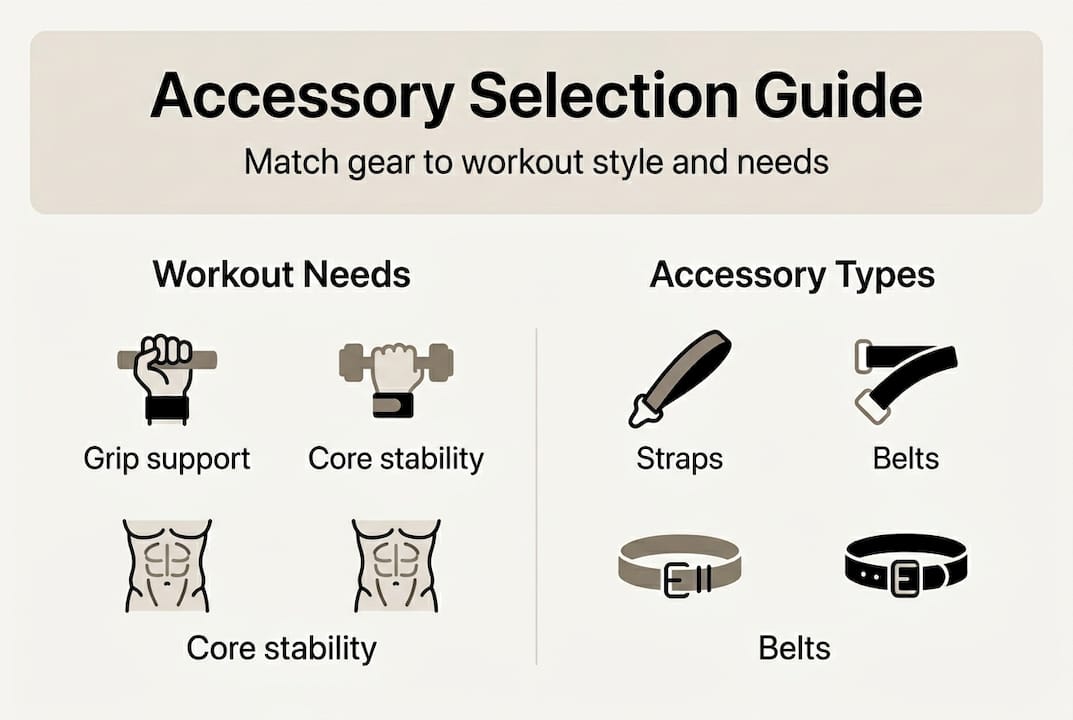
Before buying any fitness accessory, identify where your training breaks down mechanically. Your grip might fail during heavy rows before your back muscles reach fatigue. Your wrists might collapse under heavy bench press loads. Your knees might feel unstable in the bottom of deep squats. These specific weak points determine which accessories actually improve your performance versus which ones just sit in your gym bag.
Grip intensive pulling exercises like deadlifts, rows, and pull ups benefit most from lifting straps or chalk. When your forearms fatigue before your back muscles, straps let you continue training the target muscle group effectively. Heavy pressing movements like bench press and overhead press often require wrist wraps to maintain joint alignment and prevent hyperextension under load. Knee sleeves provide compression and warmth that supports joint stability during squats and lunges, particularly for lifters with previous injuries or those handling heavy weights regularly.
Weightlifting belts enhance core bracing during heavy compound movements by increasing intra abdominal pressure. This mechanical advantage helps you maintain spinal position under maximal loads in squats, deadlifts, and overhead presses. The belt doesn’t replace core strength but amplifies your natural bracing ability when lifting at or near your one rep max. Match accessories to specific workout needs by targeting grip aids for pulling, wrist support for pressing, knee protection for squats, and core bracing for heavy compounds.
Pro Tip: Track where you fail in each major lift for two weeks. If your grip gives out first, prioritize straps. If your joints hurt before muscle fatigue, focus on supportive gear like wraps and sleeves.
Consider your training style and volume when selecting accessories. Powerlifters need different support than bodybuilders. High frequency training demands more durable materials than occasional weekend workouts. Your training efficiency accessories should align with your maximum recoverable volume and specific performance goals. A CrossFit athlete rotating through varied movements needs versatile, quick adjusting gear while a dedicated strength athlete benefits from specialized, heavy duty equipment. Understanding your workout weak points and training context ensures every accessory purchase directly improves your results rather than cluttering your gym bag with unused gear. Select best gym equipment 2026 based on your actual training demands, not marketing hype or what others use.
Prioritize quality materials and trusted brands
Accessory durability depends entirely on material quality and construction standards. Cheap fitness gear fails quickly under training stress, wasting your money and potentially causing injury during heavy lifts. Understanding material benchmarks helps you identify accessories that withstand regular use versus those that fall apart within weeks.
Leather and nylon straps typically last 1-3 years under regular training loads when properly maintained. Leather offers superior grip and durability but requires occasional conditioning to prevent cracking. Nylon provides excellent tensile strength and resists moisture better than leather, making it ideal for sweaty training sessions. Neoprene and natural rubber sleeves for knees and elbows last 1-2 years with consistent use, offering compression and warmth without restricting movement. These materials maintain elasticity through hundreds of training sessions when manufactured to quality standards.
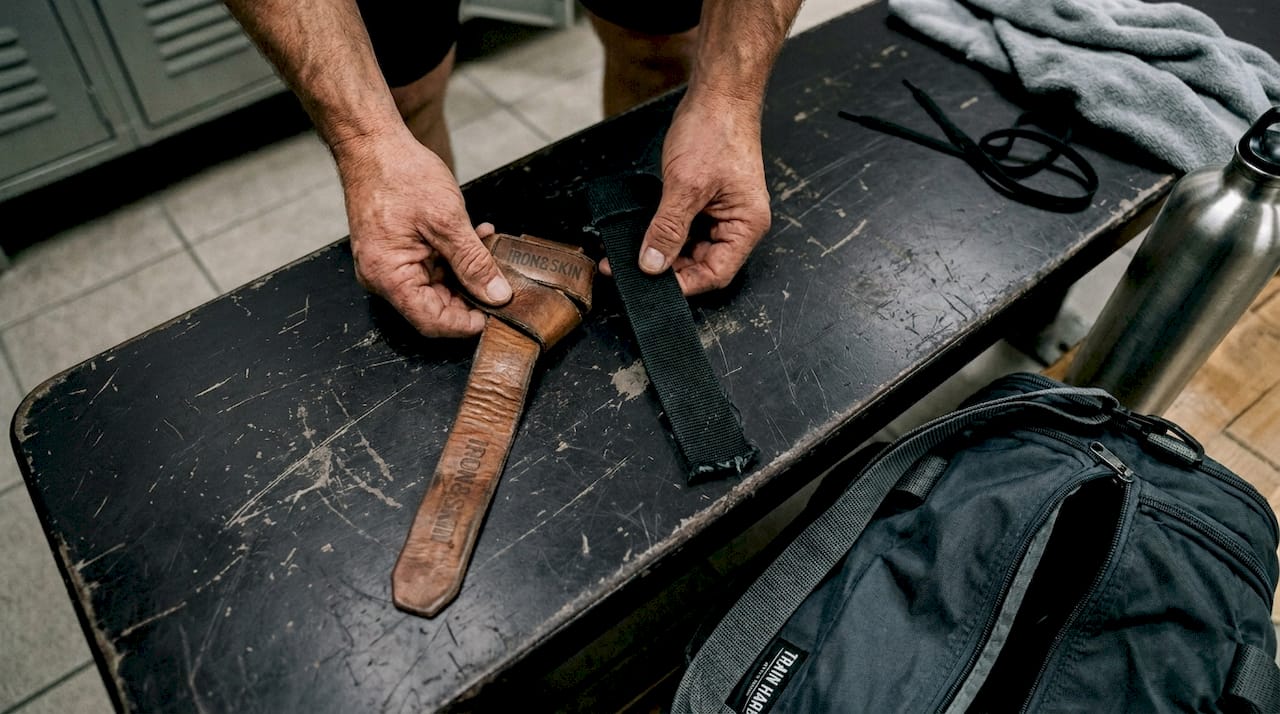
Avoid accessories priced under $10 without clear material specifications or warranty coverage. Ultra cheap items use inferior plastics, thin fabrics, and weak stitching that fail under moderate loads. Trusted brands invest in better materials, reinforced stitching, accurate sizing, and customer support that budget manufacturers skip. Fitness gloves from established brands use breathable mesh, padded palms, and reinforced finger joints that protect your hands through thousands of reps. Generic versions often use thin synthetic materials that tear within weeks.
Pro Tip: Check product listings for specific material types like “genuine leather,” “reinforced nylon webbing,” or “medical grade neoprene.” Vague descriptions like “premium materials” or “high quality” without specifics signal lower quality manufacturing.
Weightlifting belts demonstrate the quality difference clearly. A proper 10mm or 13mm leather belt with double prong or lever closure lasts decades with minimal maintenance. Cheap foam core belts with velcro closures lose rigidity within months and provide minimal braking support. The initial cost difference pays for itself through years of reliable performance and injury prevention. Quality materials and construction separate accessories that enhance your training from those that become expensive trash. Invest in durable gear from trusted brands that back their products with warranties and responsive customer service. Your training consistency and safety depend on accessories that perform reliably session after session, year after year.
Test quality through reviews and realistic usage
Verifying accessory quality before purchase prevents wasted money on gear that fails quickly or performs poorly. Customer reviews, return policies, and empirical durability data help you distinguish reliable products from marketing hype and fake reviews.
Read authentic customer reviews focusing specifically on material durability and performance over time. Look for detailed feedback mentioning how long the accessory lasted, whether stitching held up, if sizing matched descriptions, and how it performed under heavy training loads. Reviews mentioning specific weights, training frequencies, and usage contexts provide more value than generic praise. Beware of fake reviews that use vague language, lack specific details, or appear in suspicious clusters of five star ratings without substantive content.
Products lacking clear material specifications, warranty information, or return policies signal potential quality issues. Reputable manufacturers confidently list exact materials, construction methods, and coverage terms because they stand behind their products. Generic listings with stock photos and minimal technical details often hide inferior manufacturing. Ensure any accessory purchase includes a clear return policy allowing you to test the gear and return it if sizing, quality, or performance doesn’t meet expectations.
Pro Tip: Search for video reviews showing accessories under actual training loads. Watching how straps, wraps, or belts perform during heavy lifts reveals quality issues that text reviews might miss.
Branded resistance bands outperform generics in tension consistency and durability by significant margins. Empirical cycle testing shows branded bands maintain elasticity through over 1000 stretch cycles while generic versions lose tension or snap within 500 cycles. This performance gap applies across accessory categories including straps, wraps, sleeves, and belts. The durability difference justifies higher upfront costs through years of reliable use versus frequent replacements of cheap gear.
| Accessory Type | Generic Lifespan | Branded Lifespan | Failure Point | | — | — | — | | Resistance Bands | 300-500 cycles | 1000+ cycles | Tension loss, snapping | | Lifting Straps | 6-12 months | 2-3 years | Stitching failure, material tear | | Knee Sleeves | 4-8 months | 1-2 years | Elasticity loss, seam separation | | Wrist Wraps | 6-10 months | 18-24 months | Velcro wear, fabric stretch |
Test new accessories during moderate training sessions before integrating them into heavy work sets. This approach lets you assess fit, comfort, and functionality without risking injury under maximal loads. A lifting strap that feels secure during warmup rows might slip during your working sets. Wrist wraps that seem supportive with light weights might provide inadequate stability under heavy pressing loads. Gradual integration reveals performance issues before they compromise your training or safety. Maximize strength gains by thoroughly testing accessories in controlled conditions before relying on them during peak performance attempts. Quality verification through reviews, policies, data, and personal testing ensures every accessory purchase enhances your training rather than creating new problems.
Use accessories wisely to enhance, not replace, training
Fitness accessories address mechanical limitations and should complement sound training technique rather than substitute for proper progression. Understanding how to integrate gear strategically maximizes performance gains while avoiding dependency that undermines long term development.
Accessories manage specific sticking points and mechanical weaknesses in your lifts. Straps overcome grip fatigue so you can fully train back muscles during high volume pulling sessions. Belts enhance core bracing for maximal effort compound lifts. Knee sleeves provide joint support during high rep squats. Each accessory serves a defined purpose tied to a specific training limitation. Accessories enhance performance by addressing grip and joint limits but should never replace proper technique or systematic progression.
Avoid overusing accessories to prevent training dependency that weakens your raw performance. Lifters who use straps for every pulling movement often develop grip strength that lags behind their back development. Athletes who belt every set, including warmups and light work, fail to build natural core strength and bracing ability. This dependency limits your performance in competitions, everyday activities, and training situations where accessories aren’t available. Balance accessory assisted training with regular raw sessions to maintain well rounded strength development.
“The best accessories support your training goals without becoming crutches. Use them strategically for specific purposes, not as default equipment for every set.”
Integrate accessory use with raw training for balanced progress. Program heavy pulling sessions with straps to maximize back development, but include grip specific work like farmer carries and dead hangs to maintain forearm strength. Use belts for top sets approaching your one rep max, but perform most working sets without support to build natural core stability. Alternate knee sleeves between heavy squat days and lighter sessions to provide joint support when needed while maintaining natural stability patterns. This integration approach maximizes the benefits of accessories while preserving your raw strength and movement quality.
Select accessories based on your workout maximum recoverable volume and specific training goals, not fitness trends or social media hype. A powerlifter preparing for competition needs different support than a bodybuilder focused on hypertrophy. High frequency training programs require more strategic accessory use than lower volume approaches. Your progressive overload guide should inform when and how you integrate accessories to support systematic strength development. Consider your training phase, recovery capacity, and performance objectives when deciding which accessories to use and how frequently. Accessory selection purpose should always align with your specific training context rather than generic recommendations. Smart accessory integration enhances your training effectiveness while maintaining the raw strength and technique that form the foundation of long term progress.
Shop quality fitness accessories at Armageddon Sports
Now that you understand how to select fitness accessories that match your workout needs and last through years of training, it’s time to upgrade your gear with products that meet these quality standards. Armageddon Sports offers a comprehensive selection of durable fitness accessories designed for serious lifters who demand performance and longevity. Browse trusted lifting equipment including straps, wraps, and chalk that support your training goals without compromising on quality.
Every product features detailed material specifications, sizing guides, and warranty coverage so you can shop confidently. From premium leather weightlifting belts that provide maximum core support to breathable knee sleeves that maintain compression through hundreds of sessions, Armageddon Sports stocks accessories that enhance your performance session after session. Experience the difference that quality materials and trusted manufacturing make in your training results.
Frequently asked questions
How do I know which fitness accessory suits my workout?
Identify where your lifts fail mechanically first. If grip gives out during pulls before back fatigue, you need straps. If wrists collapse under pressing loads, wraps provide stability. Match accessories to your specific weak points rather than buying gear based on what others use.
What materials make the most durable fitness accessories?
Neoprene, mesh, and natural rubber work best for sleeves and gloves, lasting 1-2 years under regular use. Leather, cotton, and nylon provide superior durability for straps and wraps, typically lasting 2-3 years with proper care. Avoid cheap plastics and synthetic blends that fail quickly under training stress.
Are branded fitness accessories worth the extra cost?
Yes, branded accessories demonstrate significantly better performance and longevity. Branded bands and straps show 87% better performance and durability in tests than generics. The higher upfront cost pays for itself through years of reliable use versus frequent replacements of cheap gear that fails within months.
How can I avoid becoming dependent on fitness accessories?
Use accessories to support specific training limitations, not as default equipment for every set. Alternate accessory assisted sessions with raw training days to maintain natural strength. Experts recommend integrating accessory use with raw training and testing in moderate sessions to avoid dependency. Reserve gear for heavy working sets while performing warmups and lighter work without support.
Should I test new fitness accessories before heavy training?
Absolutely. Start with moderate weights to assess fit, comfort, and functionality before relying on new gear during maximal efforts. This approach reveals sizing issues, material quality, and performance characteristics without risking injury under heavy loads. Gradual integration ensures accessories enhance rather than compromise your training safety and effectiveness.
Recommended
- Fitness Accessories - Home Gym Equipment for Workout and Exercise | Armageddon Sports
- Top workout accessories for training efficiency and recovery – Armageddon Sports
- Types of gym equipment: choose the best in 2026 – Armageddon Sports
- 8 Top Fitness Accessories for Gyms – Expert Comparison 2026 – Armageddon Sports