
Losing weight can feel overwhelming when traditional diets fail or leave you frustrated. You start with motivation, follow strict rules for a few weeks, then slip back into old habits. This cycle is exhausting and discouraging. A clear, step-by-step approach based on expert research changes everything. Instead of chasing quick fixes, you build sustainable habits that deliver lasting results. This guide walks you through practical methods to lose weight safely, overcome plateaus, and create a healthier lifestyle you can maintain for years.
Table of Contents
- Key takeaways
- Preparing for your weight loss journey
- Step-by-step healthy eating plan
- Incorporating physical activity effectively
- Tracking progress, overcoming plateaus, and building habits
- Support your weight loss journey with quality fitness gear
- Frequently asked questions about step-by-step weight loss
Key Takeaways
| Point | Details |
|---|---|
| Weekly weight loss target | Sustainable weight loss targets one to two pounds per week through a calorie deficit created by healthy eating and regular physical activity. |
| Focus on whole foods | Beginners should prioritize sustainable habits by starting with produce, protein, and fiber for satiety before counting calories. |
| Five step plan | Follow a five step plan that includes setting behavior based goals, healthy eating, regular physical activity, tracking progress, and building lasting habits. |
| Track progress beyond scale | Expect plateaus and break them with small adjustments and lifestyle tweaks. |
| Avoid quick fixes | Avoid myths like spot reduction and ineffective supplements. |
Preparing for your weight loss journey
Successful weight loss starts with the right mindset and realistic expectations. Many people jump into extreme diets without understanding the basics, leading to burnout and disappointment. Before changing what you eat or how you exercise, establish a solid foundation.
Set behavior-focused goals instead of fixating on numbers. Rather than “lose 30 pounds,” aim for “eat vegetables with every meal” or “walk 30 minutes daily.” These process goals give you control and build confidence through small wins. The weight loss follows naturally when you focus on sustainable actions.
Sustainable weight loss targets 1-2 pounds per week through a calorie deficit created by healthy eating and physical activity. This pace preserves muscle mass, maintains energy levels, and prevents the metabolic slowdown that comes with crash dieting. Faster weight loss often leads to rapid regain.
Beginners should prioritize sustainable habits by starting with produce, protein, and fiber for satiety without strict calorie counting initially. This approach reduces overwhelm and helps you develop a healthy relationship with food. As habits solidify, you can add more detailed tracking if needed.
Key preparation steps:
- Stock your kitchen with whole foods like fruits, vegetables, whole grains, and lean proteins
- Remove or limit access to highly processed snacks and sugary beverages
- Schedule regular meal times to establish eating patterns
- Find an accountability partner or support group for encouragement
- Learn about understanding body composition to track progress beyond the scale
Pro Tip: Take progress photos and measurements before you start. The scale doesn’t tell the whole story, especially when you’re building muscle through strength training. Visual changes often appear before significant weight drops.
Avoid quick fixes that promise dramatic results in days or weeks. These approaches typically cause water weight loss or muscle loss, not fat loss. When you return to normal eating, the weight comes back quickly, often with extra pounds. Focus on gradual changes you can maintain forever, not temporary restrictions.
Step-by-step healthy eating plan
Your eating plan determines most of your weight loss success. Exercise matters, but you can’t outrun a poor diet. Building a balanced, nutritious eating pattern takes planning and consistency, but the results justify the effort.
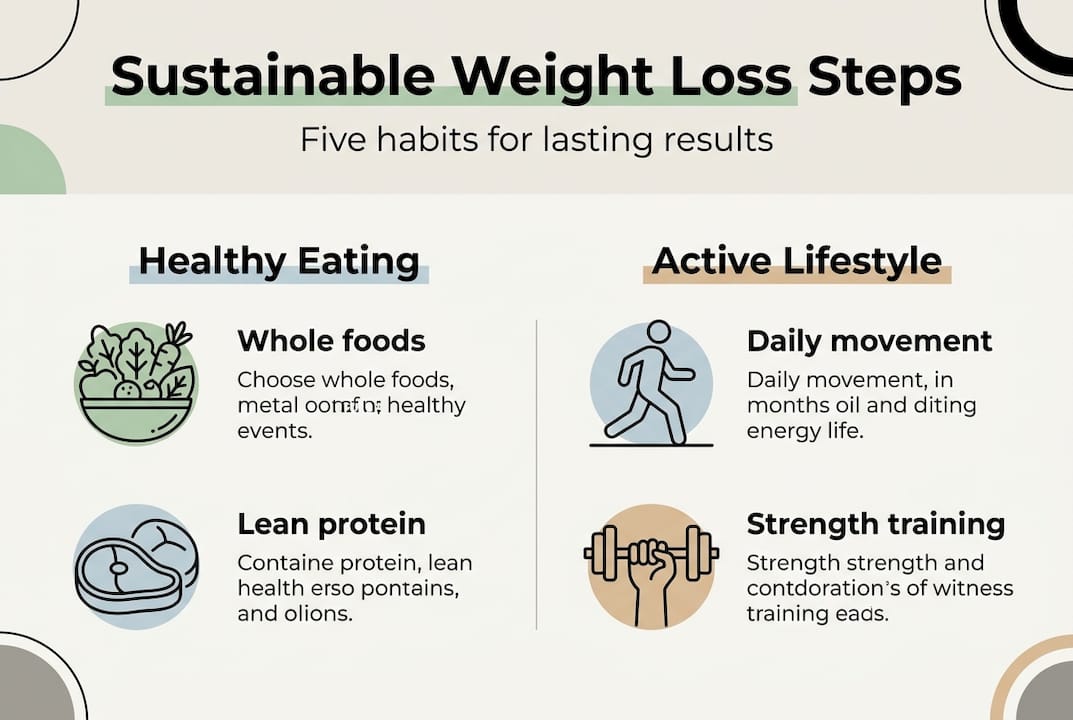
Step 1: Focus on whole foods and produce with fiber for fullness. Emphasize fruits, vegetables, whole grains, lean proteins, healthy fats while limiting added sugars and saturated fats. Fill half your plate with colorful vegetables at each meal. The fiber keeps you satisfied for hours, reducing cravings and snacking.
Step 2: Incorporate lean protein and healthy fats for satiety and nutrition. Protein preserves muscle during weight loss and requires more energy to digest than carbs or fats. Include chicken, fish, lean beef, eggs, Greek yogurt, or plant-based options like beans and tofu. Add healthy fats from avocados, nuts, seeds, and olive oil in moderate portions.
Step 3: Limit added sugars, sodium, and saturated fats. These ingredients hide in processed foods and beverages, adding empty calories without nutrition. Read labels carefully. Swap sugary drinks for water, unsweetened tea, or sparkling water with fruit. Choose fresh or frozen vegetables over canned versions with added sodium.
Step 4: Use the Mayo Clinic two-phase approach for a practical model. The diet starts with a 2-week phase losing 6-10 pounds via adding healthy habits and unlimited produce. This jumpstart builds momentum. The second phase focuses on sustainable eating patterns you can maintain long-term.
Step 5: Meal prep and planning to support adherence. Dedicate a few hours weekly to preparing ingredients or complete meals. Cook proteins in batches, chop vegetables, portion snacks. When healthy food is ready to eat, you’re less likely to order takeout or grab convenience foods. Planning also prevents decision fatigue at mealtime.
| Meal | Whole food options | Portion guidance |
|---|---|---|
| Breakfast | Oatmeal with berries, eggs with vegetables, Greek yogurt with nuts | Protein palm-sized, carbs fist-sized |
| Lunch | Grilled chicken salad, turkey wrap with vegetables, quinoa bowl | Half plate vegetables, quarter protein |
| Dinner | Baked fish with roasted vegetables, lean beef stir-fry, chicken with sweet potato | Quarter healthy carbs, healthy fat thumb-sized |
| Snacks | Apple with almond butter, carrot sticks with hummus, handful of nuts | 150-200 calories between meals |
Pro Tip: Use smaller plates and bowls to naturally control portions without measuring every item. This visual trick helps your brain feel satisfied with appropriate amounts. You can always get more if you’re genuinely hungry after finishing.
Experiment with herbs and spices to add flavor without calories. Many people abandon healthy eating because they find it bland. Garlic, ginger, cumin, paprika, fresh herbs, and citrus transform simple ingredients into delicious meals. Learning to cook enjoyable healthy food makes weight loss sustainable. Consider tools like a sauna waist belt weight loss approach as supplementary support, but remember that nutrition drives results.
Incorporating physical activity effectively
Physical activity complements your calorie deficit but isn’t solely responsible for weight loss. You’d need to run for an hour to burn off one fast food meal. Exercise provides crucial health benefits, preserves muscle during weight loss, and boosts your metabolism.
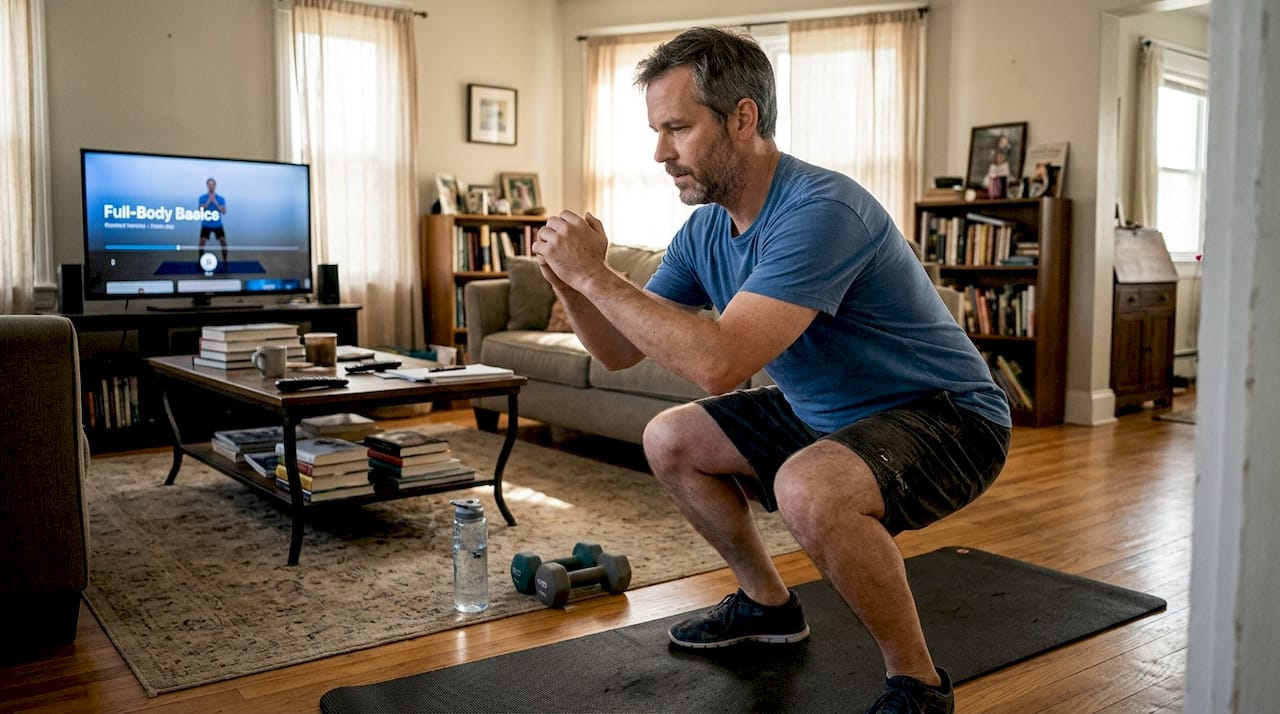
Recommended 150+ minutes moderate aerobic exercise per week plus strength training 2 days weekly supports weight management and overall health. This breaks down to 30 minutes of activity five days weekly, which most people can fit into their schedule. Moderate intensity means you can talk but not sing during the activity.
Aerobic exercise options:
- Brisk walking or hiking
- Cycling or stationary bike
- Swimming or water aerobics
- Dancing or group fitness classes
- Jogging or running for advanced exercisers
Strength training preserves muscle and supports metabolic health during weight loss. Muscle tissue burns more calories at rest than fat tissue. When you lose weight without strength training, you lose both fat and muscle, slowing your metabolism. Lifting weights or doing bodyweight exercises maintains muscle mass, so nearly all your weight loss comes from fat.
Balance between cardio and strength is best for sustainable results. Cardio burns calories during the activity and improves cardiovascular health. Strength training builds muscle, increases metabolism, and shapes your physique. Combining both creates comprehensive fitness and accelerates fat loss.
| Exercise type | Primary benefit | Frequency | Example session |
|---|---|---|---|
| Aerobic | Burns calories, heart health | 5 days/week | 30-minute brisk walk |
| Strength | Builds muscle, boosts metabolism | 2-3 days/week | Full-body workout with weights |
| Flexibility | Recovery, injury prevention | 2-3 days/week | 10-minute stretching routine |
| NEAT | Daily calorie burn | Every day | Take stairs, park farther, stand more |
Choosing enjoyable activities improves adherence. You won’t stick with exercise you hate, no matter how effective it is. Try different options until you find activities you genuinely like. Join a recreational sports league, take dance classes, hike scenic trails, or lift weights while listening to podcasts. When exercise feels less like a chore, consistency becomes natural.
Start gradually if you’re new to exercise. Jumping into intense workouts increases injury risk and burnout. Begin with 10-minute walks and add 5 minutes weekly. Master bodyweight exercises before adding weights. Your body needs time to adapt. Explore strength training home fitness options to build a sustainable routine without gym membership costs.
Pro Tip: Increase NEAT (non-exercise activity thermogenesis) throughout your day. Take the stairs, park farther away, stand while working, do household chores vigorously. These small movements accumulate hundreds of extra calories burned weekly without formal exercise time. Apply progressive overload guide principles to continually challenge your body and prevent adaptation.
Tracking progress, overcoming plateaus, and building habits
Monitoring your weight loss journey keeps you accountable and reveals what’s working. Track multiple metrics beyond the scale to get a complete picture of your progress. Weight fluctuates daily due to water retention, digestion, and hormones, so don’t obsess over daily numbers.
Effective tracking methods:
- Weigh yourself weekly at the same time, preferably morning after bathroom before eating
- Take body measurements monthly (waist, hips, chest, arms, thighs)
- Progress photos every two weeks in the same lighting and clothing
- Track strength gains (weights lifted, reps completed, exercise difficulty)
- Monitor energy levels, sleep quality, and mood improvements
- Log adherence to healthy habits (vegetables eaten, workouts completed, water consumed)
Recognize true plateaus by no progress for 3+ weeks across multiple metrics. Your body adapts to calorie restriction by reducing metabolic rate slightly. This normal response doesn’t mean your efforts failed. It signals time for strategic adjustments.
Plateaus typically occur after 6-12 weeks; you can break them by recalculating TDEE, small calorie deficit adjustments, increasing NEAT, and sleep optimization. Your calorie needs decrease as you lose weight because a smaller body requires less energy. Recalculate your target intake based on your current weight.
Plateau-breaking strategies:
- Reduce daily calories by 100-250 to recreate deficit
- Increase daily steps by 2,000-3,000 for extra calorie burn
- Add one extra strength training session weekly
- Improve sleep to 7-9 hours nightly for hormonal balance
- Manage stress through meditation, yoga, or hobbies
- Refeed with slightly higher calories one day weekly to boost metabolism
Improve sleep and recovery to support metabolism. Poor sleep disrupts hunger hormones, increasing cravings for high-calorie foods. Lack of recovery from exercise leads to overtraining, which raises cortisol and promotes fat storage. Prioritize rest as much as diet and exercise.
Focus on habit building and multi-component interventions for sustainable success. Weight loss isn’t about perfection; it’s about consistency over time. Missing one workout or eating one indulgent meal doesn’t ruin your progress. Getting back on track the next day does.
Build lasting habits:
- Start with one small change and master it before adding more
- Stack new habits onto existing routines (drink water after brushing teeth)
- Prepare your environment to make healthy choices easier
- Celebrate non-scale victories like increased energy or better sleep
- Learn from setbacks instead of viewing them as failures
Pro Tip: Schedule weekly review sessions to assess what worked and what didn’t. Adjust your plan based on real data, not emotions. If you consistently skip morning workouts, switch to evenings. If meal prep overwhelms you, start with prepping just breakfast. Flexibility within structure creates sustainable progress. Check out hacks for efficient workouts to maximize your training time.
Support your weight loss journey with quality fitness gear
Implementing the strategies above requires dedication and the right tools. High-quality fitness accessories improve workout safety, enhance comfort, and boost your motivation to stay consistent. When you invest in proper equipment, you’re investing in your long-term success.
Strength training becomes more effective and comfortable with the right support. Fitness gloves protect your hands from calluses and blisters while improving grip on weights and bars. This small addition lets you focus on form and intensity instead of discomfort.

Weightlifting belts provide core support during heavy compound lifts like squats and deadlifts. Proper support reduces injury risk and helps you lift more weight safely, accelerating strength gains. Browse our complete selection of fitness accessories to find tools that match your specific training needs and goals. Equipping yourself properly demonstrates commitment and makes every workout more productive.
Frequently asked questions about step-by-step weight loss
What is a safe amount of weight to lose per week?
Aim for 1-2 pounds per week for sustainable fat loss while preserving muscle mass. This rate allows your body to adapt without triggering extreme hunger or metabolic slowdown. Faster weight loss often includes water and muscle loss, which you’ll regain quickly.
How do I break through a weight loss plateau?
Recalculate your calorie needs based on your current weight, then reduce intake by 100-250 calories daily or increase activity through more steps and exercise. Ensure you’re sleeping 7-9 hours nightly and managing stress effectively. Sometimes a one-day refeed at maintenance calories can reset your metabolism.
Are supplements effective for faster weight loss?
Most weight loss supplements lack scientific evidence and FDA regulation. They can’t replace the calorie deficit created by healthy eating and exercise. Save your money and focus on whole foods, adequate protein, and consistent activity. If you have specific nutritional deficiencies, address those with your doctor.
Can I target fat loss in one area, like belly fat?
Spot reduction is a myth. Your body loses fat in a genetically predetermined pattern you can’t control. Doing endless crunches won’t burn belly fat specifically. Create a calorie deficit through diet and exercise, and your body will gradually reduce fat from all areas. Strength training helps shape underlying muscle as fat decreases.
How important is strength training for weight loss?
Strength training is crucial for preserving muscle mass during calorie restriction. Muscle tissue burns more calories at rest than fat, supporting your metabolism. Without strength training, you’ll lose both fat and muscle, making weight maintenance harder. Aim for at least two full-body sessions weekly alongside your cardio routine.
Recommended
- Body recomposition guide: Build muscle and lose fat in 2026 – Armageddon Sports
- Thigh Shaper for Weight Loss: Real Results? – Armageddon Sports
- Understanding body composition: a 2026 fitness guide – Armageddon Sports
- Sauna Waist Belt for Weight Loss: Fact vs. Hype – Armageddon Sports
- Comment créer une routine alimentaire saine: un guide complet – Vitalcup