
If you’ve ever lost your grip mid-set or winced through callused hands during training, you know the frustration. Workout gloves solve these problems by protecting skin, enhancing grip stability, and supporting wrists during intense lifts. This guide explains exactly when and why gloves transform your training, backed by research and practical recommendations for choosing the right pair.
Table of Contents
- Understanding Workout Gloves: Definition And Types
- How Workout Gloves Protect Your Skin And Prevent Calluses
- Grip Enhancement And Reducing Slippage: Why It Matters
- Wrist Support And Injury Prevention: The Ergonomic Advantage
- Debunking Common Misconceptions About Workout Gloves
- Hygiene And Comfort: Extra Benefits Of Wearing Gloves
- Practical Recommendations For Choosing The Right Workout Gloves
- Enhance Your Training With Quality Workout Gloves
Key takeaways
| Point | Details |
|---|---|
| Skin protection | Workout gloves prevent painful calluses and blisters that interrupt training consistency. |
| Grip enhancement | Gloves manage sweat and increase friction, reducing dangerous slippage during heavy lifts. |
| Wrist stabilization | Built-in wrist support reduces joint strain and injury risk during repetitive or heavy movements. |
| Hygiene barrier | Gloves create a protective layer against germs on shared gym equipment, reducing infection risk. |
| Myth-busting | Properly designed gloves don’t weaken grip strength or create dependency when used correctly. |
Understanding workout gloves: definition and types
Workout gloves are specialized protective gear designed specifically for fitness and weightlifting activities. They serve multiple functions beyond simple hand coverage, offering targeted solutions for common training challenges. Understanding the varieties available helps you match glove features to your specific workout needs.
Several distinct types exist in the market. Padded gloves feature cushioning across the palm to absorb pressure from bars and handles. Wrist-supported gloves include adjustable straps that stabilize the joint during heavy lifts. Fingerless designs provide protection while maintaining tactile feedback and finger mobility for detailed grip adjustments.
Material selection dramatically affects performance characteristics:
- Leather offers durability and natural grip but requires break-in time
- Synthetic fabrics provide breathability and quick-drying properties
- Neoprene delivers cushioning and moisture resistance
- Mesh panels enhance ventilation during extended sessions
Specific users gain the most benefit from glove use. Weightlifters performing heavy compound movements need maximum protection and wrist support. Gym-goers prone to calluses benefit from friction reduction. Anyone experiencing wrist discomfort during pressing or pulling movements should consider wrist-supported options. CrossFit athletes and circuit trainers appreciate the combination of protection and mobility that quality gloves provide.
How workout gloves protect your skin and prevent calluses
Skin damage represents one of the most common barriers to consistent training. Every time you grip a barbell, dumbbell, or pull-up bar, friction creates micro-tears in your skin. Over time, these develop into painful calluses or blisters that make each subsequent workout uncomfortable.
Workout gloves address this issue by creating a protective barrier between your skin and equipment surfaces. The padding distributes pressure across a wider area rather than concentrating force on specific contact points. This mechanical advantage reduces the shearing forces that cause skin breakdown.
Research confirms these protective benefits. Gloves prevent blisters and calluses during weightlifting, enabling longer and less painful workouts. This protection translates directly into training consistency because you’re not forced to skip sessions while waiting for damaged skin to heal.
The impact extends beyond physical comfort:
- Reduced pain allows better focus on form and technique
- Consistent training leads to faster strength gains
- Eliminated downtime maintains momentum in progressive programs
- Improved confidence when gripping heavy weights
“The barrier between your hands and the equipment isn’t just about comfort. It’s about removing a major obstacle to showing up and training hard every single session.”
Maintaining soft, healthy hands also matters for daily life beyond the gym. Professional contexts, social interactions, and personal activities all benefit when your hands aren’t covered in rough, torn calluses. Protection during workouts preserves skin quality for everything else you do.
Grip enhancement and reducing slippage: why it matters
Grip failure during a heavy set creates immediate danger. When your hands slip on a loaded barbell, you risk dropping weight on yourself or losing control during a movement. Beyond safety concerns, inconsistent grip limits how much weight you can safely handle, directly capping your strength development.
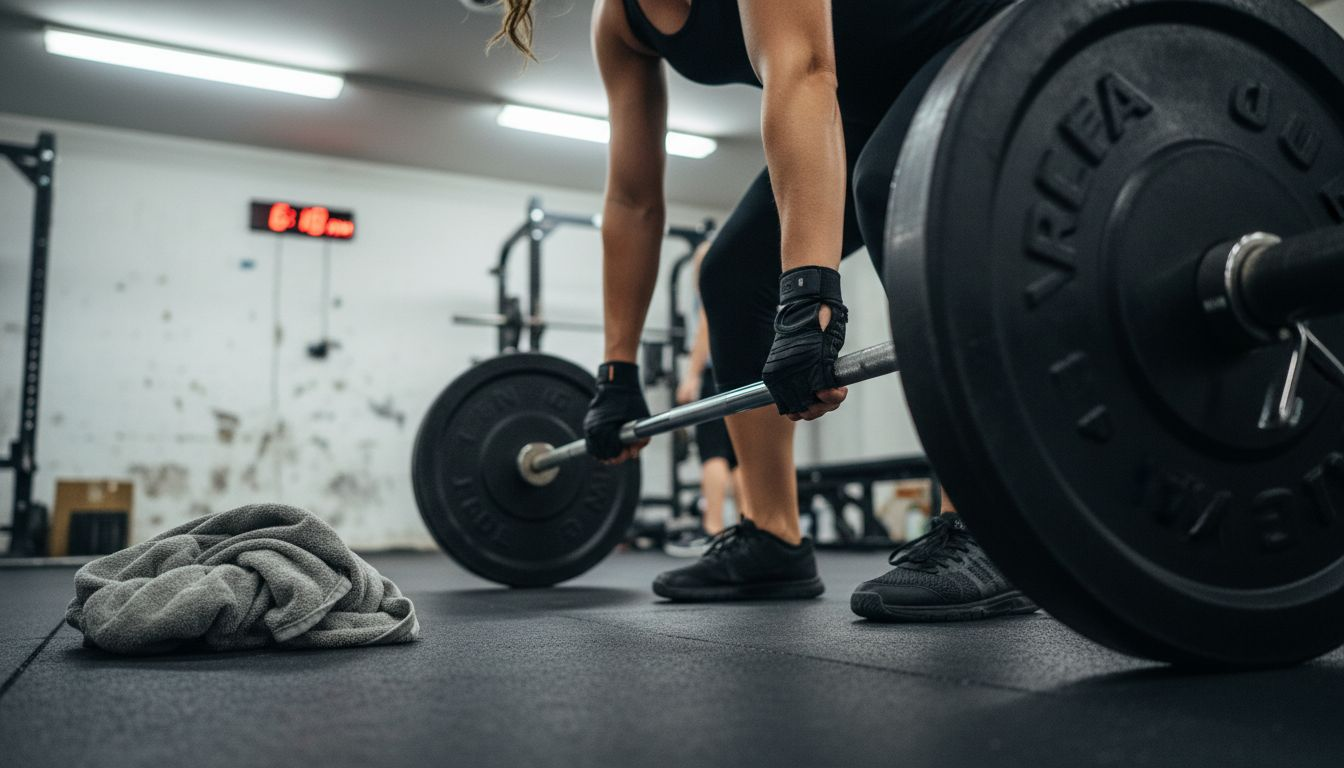
Sweat represents the primary culprit behind grip problems. As your body temperature rises during training, moisture accumulates on your palms. This creates a slippery interface between skin and metal that reduces friction coefficients dramatically. Sweaty hands contribute to grip failure, but workout gloves maintain consistent grip by controlling moisture and providing friction.
Quality glove design incorporates specific features to combat slippage:
- Textured palm surfaces increase contact friction
- Moisture-wicking materials pull sweat away from grip zones
- Ventilation channels allow heat and humidity to escape
- Silicone grip patterns create mechanical interlocking with equipment
These engineering solutions deliver measurable performance improvements. Studies link glove use to improved muscular endurance during lifts, likely because stable grip allows you to focus energy on the target muscles rather than desperately holding onto the bar. When you’re confident the weight won’t slip, you can push closer to true muscular failure safely.
The psychological component matters as much as the physical. Knowing your grip is secure reduces anxiety during max attempts. This mental security translates into better performance because you’re not subconsciously holding back to maintain control. Your nervous system can fully commit to the lift when grip stability is guaranteed.
Pro Tip: Choose gloves with textured or rubberized palms specifically designed for your primary training style. Powerlifters need aggressive knurling contact, while circuit trainers benefit from all-around grip surfaces. Explore the fitness gloves collection to find options matched to your workout intensity, and review strategies for improving grip strength naturally alongside glove use.
Wrist support and injury prevention: the ergonomic advantage
Wrist strain ranks among the most common overuse injuries in weightlifting. The joint handles tremendous force during pressing movements, overhead lifts, and even pulling exercises. Without proper support, repetitive loading creates inflammation, pain, and potential long-term damage to the delicate structures inside your wrist.
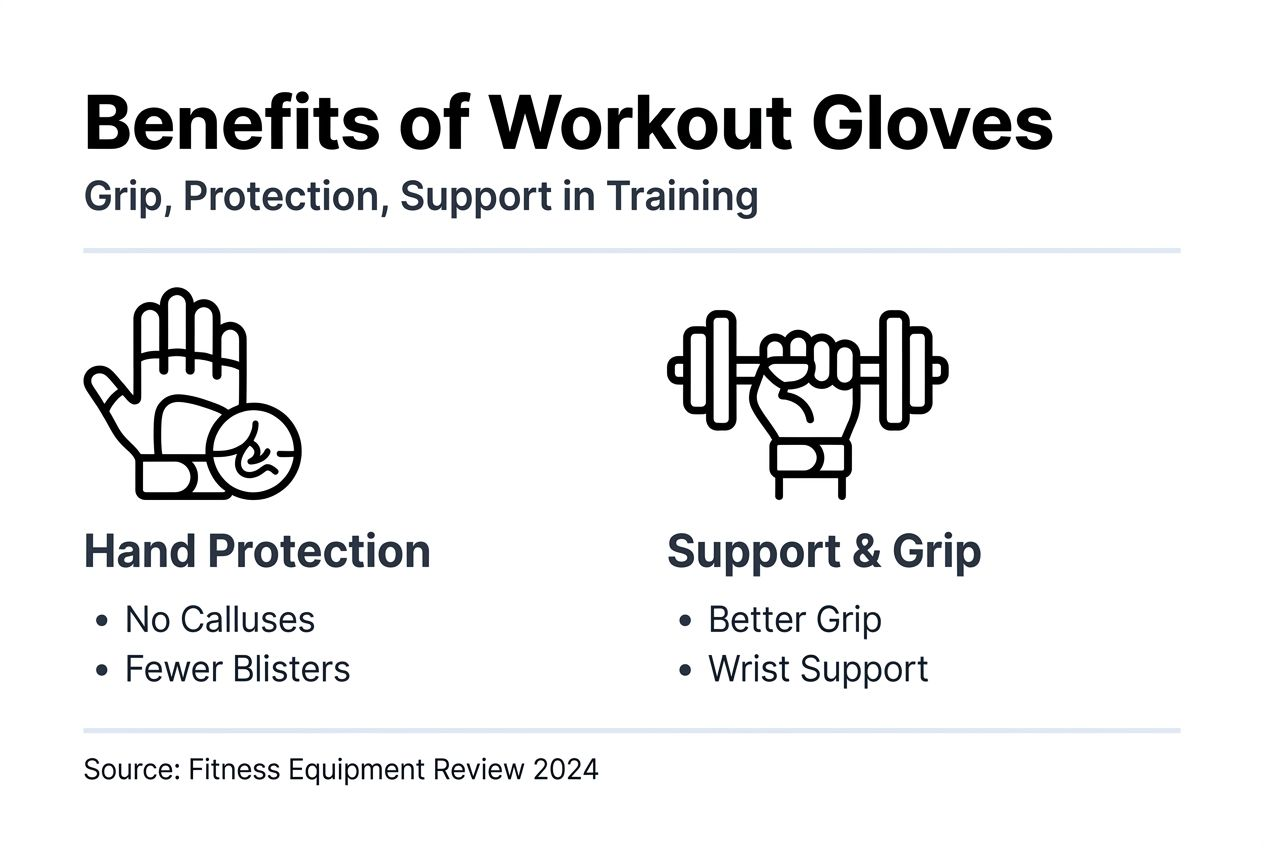
Gloves with integrated wrist straps provide targeted stabilization. The adjustable wrap compresses the joint, limiting excessive movement while still allowing functional range of motion. This mechanical support distributes forces more evenly across the wrist structure rather than concentrating stress on vulnerable points.
The protective mechanism works through several pathways. First, compression increases proprioceptive feedback, helping you maintain optimal wrist alignment during lifts. Second, the strap prevents hyperextension or hyperflexion that strains ligaments. Third, external support reduces the stabilization work required from small forearm muscles, delaying fatigue in these critical support structures.
Comparing glove options clarifies the value of wrist support:
| Feature | Wrist-Supported Gloves | Basic Gloves |
|---|---|---|
| Joint Stability | High stabilization for heavy lifts | Minimal joint protection |
| Injury Prevention | Reduces wrist strain significantly | Limited strain reduction |
| Fit Adjustability | Customizable strap tension | Fixed sizing only |
| Finger Mobility | Slightly reduced by wrap | Maximum freedom |
Athletes with existing wrist issues or those performing high-volume pressing workouts benefit most from supported designs. The wrist support gloves available through specialized retailers combine hand protection with therapeutic compression for vulnerable joints.
Pro Tip: Use wrist support gloves during heavy compound lifts like bench press, overhead press, and front squats where wrist position critically affects safety. For isolation movements with lighter weights, basic gloves may provide sufficient protection without the additional bulk. Learn more about optimal usage in the comprehensive wrist wraps guide.
Debunking common misconceptions about workout gloves
Several persistent myths discourage lifters from trying gloves despite clear benefits. Addressing these misconceptions directly helps you make informed equipment decisions based on facts rather than gym lore.
Myth one claims gloves weaken your natural grip strength over time. The logic suggests that adding material between your hand and the bar reduces grip challenge, leading to underdeveloped forearm muscles. Reality contradicts this concern. No scientific evidence supports the claim that proper glove use diminishes grip capacity. Instead, gloves improve safety and consistency, allowing you to train grip strength separately through dedicated exercises without compromising performance on compound lifts.
Myth two assumes more padding always provides better protection. Thickness sounds protective, but overly padded gloves reduce grip control by increasing circumference and reducing tactile feedback. The additional bulk forces your hand into a wider grip, altering mechanics and potentially causing form breakdown. Optimal padding strikes a balance, providing enough cushioning to prevent calluses without so much material that you lose feel for the bar.
Myth three warns that glove use creates dependency, making bare-hand training impossible. This fear misunderstands adaptation. Your nervous system and muscles adapt to the conditions you train under most frequently. Using gloves doesn’t erase your capacity to grip without them any more than wearing shoes prevents barefoot walking. You simply perform best under familiar conditions.
Additional clarifications include:
- Proper glove fit is crucial for performance benefits
- Breaking in leather gloves improves comfort significantly
- Regular cleaning maintains hygiene and material integrity
- Replacing worn gloves prevents reduced protection
Understanding these realities helps you select gloves that genuinely enhance training rather than following outdated advice. The key lies in choosing appropriate designs for your specific needs rather than avoiding gloves based on misconceptions.
Hygiene and comfort: extra benefits of wearing gloves
Shared gym equipment harbors surprising microbial diversity. Barbells, dumbbells, cable handles, and machine grips pass through dozens of sweaty hands daily. This constant contact transfers bacteria, fungi, and viruses across users, creating infection transmission pathways that many lifters underestimate.
Workout gloves function as a personal protective barrier. Research shows gloves improve hygiene by preventing direct contact with germs commonly found on shared gym equipment, reducing skin infections. The fabric layer blocks pathogen transfer to your skin, cutting infection risk substantially. This protection proves especially valuable during cold and flu season when gym surfaces become contamination hotspots.
Beyond germ protection, gloves enhance overall workout comfort through several mechanisms:
- Sweat absorption prevents moisture buildup between hand and equipment
- Cushioning reduces pressure discomfort during extended sets
- Temperature regulation keeps hands comfortable in climate-controlled facilities
- Reduced friction eliminates hot spots that develop into blisters
User reports consistently highlight improved training enjoyment when wearing gloves. The combination of physical comfort and peace of mind about hygiene creates a better psychological state for focused workouts. You can concentrate fully on movement quality and intensity rather than worrying about skin damage or contamination.
Maintaining glove cleanliness maximizes these hygiene benefits. Most gloves require regular washing according to manufacturer specifications. Machine washing typically works for synthetic materials, while leather options may need hand cleaning and conditioning. Allowing complete drying between uses prevents odor-causing bacterial growth inside the gloves themselves.
Proper glove hygiene creates a positive cycle. Clean gloves protect your hands from gym germs while preventing your gloves from becoming a contamination source. This dual protection makes gloves a smart investment for anyone training in shared facilities.
Practical recommendations for choosing the right workout gloves
Selecting optimal gloves requires matching features to your specific training style and physical needs. Following a systematic approach ensures you invest in equipment that genuinely improves your workouts rather than sitting unused in your gym bag.
Start by assessing your primary training challenges:
- Evaluate grip-related issues and determine if texture enhancement is your top priority
- Measure current padding against your callus development and pain levels
- Test wrist stability during pressing movements to identify joint support needs
- Consider workout duration and whether comfort over extended sessions matters
- Finalize your choice by trying gloves on to verify fit and finger mobility
Padding thickness demands careful consideration. Light padding suits high-rep circuit training where bar feel matters most. Medium padding works for general strength training, balancing protection with control. Heavy padding helps powerlifters handling maximum loads but may hinder Olympic lifting or gymnastic movements requiring precise grip feedback.
Wrist support becomes critical if you experience pain during pressing exercises or handle heavy weights regularly. The integrated strap provides therapeutic compression that standalone gloves cannot match. However, supported designs add bulk that some athletes find restrictive during dynamic movements. Match support level to injury risk and training intensity.
Avoid common selection mistakes. Overly padded gloves that seemed protective in the store often prove cumbersome during actual training. Purchasing gloves without trying them on risks fit issues that cause blisters or reduce mobility. Ignoring material quality leads to rapid deterioration and lost investment.
Fit verification should include checking several factors. Gloves should feel snug without cutting off circulation. Finger holes must allow full flexion without excess material bunching. Wrist straps need sufficient length to wrap completely with adequate overlap. Palm padding should align with your natural grip pressure points.
Explore curated options like the top weight lifting gloves 2026 to see expert recommendations. Consider how gloves integrate with other equipment in your workout accessories guide for comprehensive training optimization.
Enhance your training with quality workout gloves
Protecting your hands and stabilizing your wrists shouldn’t require compromising on quality or performance. Armageddon Sports offers a carefully selected fitness gloves collection designed for serious lifters who demand both protection and functionality. Each option balances grip enhancement, skin protection, and wrist support to match different training styles and intensity levels.
Your glove choice represents just one component of complete training optimization. Explore the full lifting gear collection to discover how straps, wraps, and other accessories work together for maximum safety and performance. Pair your gloves with supportive equipment from the weightlifting belts collection to create a comprehensive ergonomic system that protects every vulnerable point during heavy lifts. Quality equipment investment pays dividends through injury prevention, consistent training, and accelerated strength gains.
FAQ
Are workout gloves necessary for all types of training?
Gloves aren’t essential for every workout but provide significant benefits during grip-intensive or heavy lifting sessions. They excel at preventing injuries and improving comfort when hand protection or wrist support becomes critical. Light cardio or bodyweight training typically doesn’t require gloves.
Can workout gloves weaken my natural grip strength over time?
No scientific evidence supports claims that gloves reduce natural grip strength. Proper glove use actually supports grip stability and injury prevention without compromising forearm development. You can train grip strength separately through dedicated exercises while using gloves for compound lifts.
How do I maintain hygiene when using workout gloves regularly?
Wash gloves according to manufacturer instructions after every few uses. Allow them to air dry completely between training sessions to prevent bacterial growth. Consider rotating between two pairs during intense training periods to ensure one set is always clean and dry.
When should I choose gloves with wrist support over basic gloves?
Select wrist-supported gloves if you experience wrist pain or perform heavy, repetitive pressing movements. The integrated straps provide joint stabilization that reduces strain and injury risk significantly. Basic gloves work fine for lighter training without wrist concerns. Learn more about proper usage in the wrist wraps guide.
Recommended
- Shop Fitness & Workout Gloves- Armageddon Sports
- Thick & Fat Grips Bar Training Adapters Alternative Workout Forearms Strength Builder for Weights Barbell Dumbells Sillicone Rubber – Armageddon Sports
- Top 5 Weight Lifting Training Gloves in 2026 for Fitness Enthusiasts – Armageddon Sports
- Top workout accessories for training efficiency and recovery – Armageddon Sports