
Struggling to break through plateaus or recover quickly after intense training is a common challenge, especially for women focused on fitness. Pelvic floor muscles provide the foundation for a truly stable and powerful core, influencing everything from lifting performance to recovery speed. By understanding and intentionally training these muscles, you gain access to stronger workouts, improved stability, and lasting results backed by research on core and pelvic floor synergy.
Table of Contents
- Pelvic Floor Muscles And Core Support
- Layers Of Pelvic Floor Muscle Structure
- Functions And Benefits For Fitness
- Strengthening Techniques And Devices
- Risks, Common Mistakes, And Prevention
Key Takeaways
| Point | Details |
|---|---|
| Pelvic Floor’s Role | The pelvic floor muscles are essential for core stability and overall support, affecting spine health and performance during workouts. |
| Strength Training Benefits | Strengthening the pelvic floor leads to improved core engagement, better lifting form, and decreased risk of injury during physical activities. |
| Integrated Training | Combining pelvic floor training with core exercises yields greater performance results and accelerates recovery, enhancing overall athletic capabilities. |
| Common Mistakes to Avoid | Pay attention to proper techniques and avoid overtraining, inconsistent schedules, and incorrect muscle engagement to ensure effective pelvic floor training. |
Pelvic floor muscles and core support
Your pelvic floor muscles are not separate from your core—they’re actually the foundation of it. These muscles sit at the base of your pelvis and work alongside your deep abdominal muscles, back stabilizers, and diaphragm to create a complete support system for your spine and internal organs.
Think of your core as a cylinder. Your diaphragm forms the top, your abdominal muscles wrap around the sides, your back muscles support the rear, and your pelvic floor anchors everything at the bottom. When any of these components weaken, the entire system becomes unstable.
Why Pelvic Floor Strength Matters for Your Core
Strengthening your pelvic floor directly improves core stability and function. Research shows that combined pelvic floor and core training significantly enhances trunk muscle endurance and lumbar stabilizing muscle activity, while also reducing lower back pain. This isn’t just about aesthetics—it’s about building a bulletproof foundation.
When your pelvic floor is weak, your deeper abdominal muscles can’t engage properly. Your spine loses stability. Your lower back compensates and gets injured. But here’s the good news: activating and strengthening your pelvic floor transforms your entire workout performance.
How Pelvic Floor Activation Improves Stability
When you properly engage your pelvic floor during exercise, several things happen:
- Creates intra-abdominal pressure that stabilizes your spine
- Allows your deep core muscles to activate more effectively
- Reduces excessive movement in your lumbar spine during heavy lifts
- Improves weight transfer from your legs through your torso
- Decreases injury risk during compound movements
Strong pelvic floor muscles are the difference between unstable core engagement and truly locked-in stability during your lifts.
Many women notice that once they activate their pelvic floor properly, they can lift heavier weights with better form and less back strain. Integration of pelvic floor muscle training into core strengthening supports overall musculoskeletal health and enhances workout recovery.
The Recovery Connection
Your pelvic floor muscles fatigue just like any other muscles. When they’re overworked or weak, recovery suffers. Proper activation and targeted training help these muscles recover between sessions, which means your entire core can bounce back faster and perform better in your next workout.
This is why Kegel exercises designed to strengthen pelvic floor muscles have become central to serious fitness training. They’re not optional—they’re foundational.
Pro tip: Begin every workout by consciously engaging your pelvic floor for 5-10 seconds before heavy lifts; this “pre-activation” primes your entire core system and significantly improves stability and performance.
Layers of pelvic floor muscle structure
Your pelvic floor isn’t a single muscle—it’s a complex, multi-layered system working in coordinated fashion. Understanding its structure helps you train it more effectively and recover better from intense workouts.
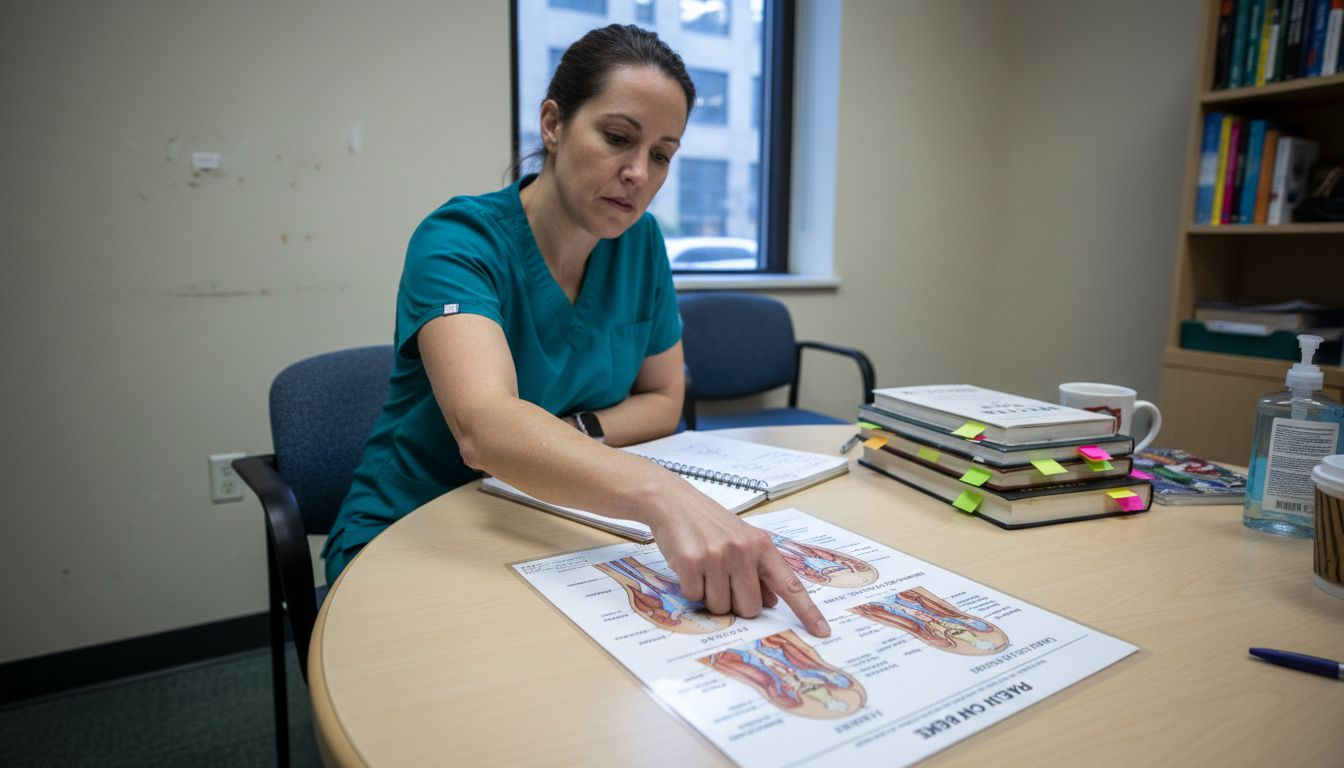
The pelvic floor comprises both skeletal muscles and smooth muscle components. These layers work together to support your organs, control continence, and stabilize your entire core. Each layer has a specific job, and they all depend on proper coordination.
The Skeletal Muscle Foundation
The main skeletal muscles include the levator ani and coccygeus muscles, which form three muscle slings that support your entire pelvic floor. These muscles are voluntary—you can consciously contract them. Think of them as the “power players” of pelvic floor function.
The three-dimensional skeletal muscle structure coordinates force and directional control throughout your pelvic cavity. When these muscles strengthen, everything becomes more stable and responsive.
How Smooth Muscles Contribute
Beyond the skeletal muscles lies a network of continuous smooth muscle structures. These muscles work automatically, without conscious effort, and they maintain resting tone and baseline support.
Smooth muscles can’t be controlled like skeletal muscles, but they respond to training indirectly through improved overall pelvic floor strength and function. Together with skeletal muscles, they create the complete support system you need:
Here’s a quick comparison of skeletal and smooth pelvic floor muscles and their roles:
| Muscle Layer | Control Type | Primary Role | Training Method |
|---|---|---|---|
| Skeletal (e.g., levator ani) | Voluntary, conscious | Provides strength and control | Direct contractions, pulses |
| Smooth muscle | Involuntary, automatic | Maintains baseline tone | Indirect, through coordination |
- Skeletal muscles provide voluntary strength and directional control
- Smooth muscles maintain baseline tone and elastic support
- Both coordinate to stabilize your spine and organs during movement
- Proper training enhances coordination between all layers
Structural Defects and Recovery
Structural muscle defects and functional alterations can occur from pregnancy, intense training, or chronic weakness. This is why targeted pelvic floor training is so important for recovery.
When your pelvic floor layers function properly, they distribute forces evenly and prevent compensation patterns. When they’re weak or uncoordinated, surrounding muscles overwork and recovery takes longer.
Understanding your pelvic floor’s layered architecture explains why isolated Kegel exercises sometimes aren’t enough—you need to train the entire coordinated system.
Training All Layers
Effective pelvic floor training addresses both skeletal and smooth muscle components. This requires varied exercises, not just repetitive contractions. Progressive resistance training, dynamic movement patterns, and proper activation sequencing all matter.
The good news? Once you understand this layered structure, you can train smarter and recover faster from every workout.
Pro tip: Alternate between sustained contractions (to activate smooth muscles) and quick pulses (to strengthen skeletal muscles) during your training sessions for complete pelvic floor development.
Functions and benefits for fitness
Your pelvic floor does way more than you think. Beyond basic body functions, it directly influences your athletic performance, injury prevention, and overall recovery. Strong pelvic floor muscles transform how your body moves under load.
The pelvic floor supports urinary, anorectal, sexual, and reproductive functions while also serving critical biomechanical roles. For fitness enthusiasts, the biomechanical piece is game-changing. It affects your stability, balance, power output, and resilience.
Performance Benefits You’ll Notice
When your pelvic floor functions optimally, several things happen in your workouts:
- Enhanced core stability during heavy compound lifts
- Improved balance and proprioception during dynamic movements
- Better muscle coordination across your entire body
- Increased power transmission from lower body to upper body
- Greater agility and control during explosive movements
Pelvic floor training enhances sports performance by improving core stability, balance, muscle coordination, and strength. Women who activate their pelvic floor report lifting heavier weights with superior form and less compensatory strain.
Injury Prevention Through Better Biomechanics
A weak pelvic floor creates biomechanical breakdowns. Your spine loses stabilization. Your knees compensate. Your shoulders hike up. Before long, you’re injured and sidelined from training.
Proper pelvic floor function improves neuromuscular control and biomechanics, preventing injury before it starts. This is massive for long-term training consistency. You recover faster because you’re not fighting compensation patterns and secondary injuries.
Strong pelvic floor function is the foundation preventing the cascade of injuries that sidelines so many women from consistent training.
Recovery and Training Longevity
Your pelvic floor muscles fatigue just like biceps or glutes. When they’re weak or untrained, they become a recovery bottleneck. Your entire core can’t fully restore between sessions.
Building pelvic floor strength accelerates recovery. Your core stabilizes efficiently during lifts, reducing unnecessary muscle activation. Less wasted energy means faster adaptation and better performance in your next session.
This explains why reflexology and other recovery techniques matter—they’re part of a complete recovery strategy, just like pelvic floor training itself is part of complete core development.
The Real-World Impact
Women training with proper pelvic floor activation report increased confidence, better body awareness, and longer training windows without fatigue. The functional benefits extend beyond the gym into daily life: easier stair climbing, better posture, and sustained energy throughout the day.
Pro tip: Track how your pelvic floor activation affects your lifts by rating your stability, confidence, and form on a scale of 1-10 before and after implementing targeted pelvic floor training.
Strengthening techniques and devices
Strengthening your pelvic floor requires deliberate training, not wishful thinking. The good news? Multiple proven techniques and tools exist to build these critical muscles effectively. Your approach depends on your current fitness level, recovery goals, and training style.
Pelvic Floor Muscle Training Methods
Pelvic floor muscle training remains the gold standard for building strength. This involves conscious, targeted contractions of your pelvic floor muscles—essentially squeezing and releasing at different tempos and intensities.
Pelvic floor muscle training demonstrates superior enhancements in muscle strength compared to other breathing-based approaches. The technique is straightforward: isolate the muscles, contract them deliberately, hold briefly, then release. Progressive resistance—holding longer, squeezing harder, increasing reps—builds measurable strength over weeks.
Hypopressive breathing offers an alternative that improves quality of life outcomes. This breathing technique creates negative pressure in your abdomen, activating your pelvic floor indirectly. Some women prefer this gentler approach, especially during recovery phases.
Combined Training for Maximum Results
The most effective approach? Combining pelvic floor training with core strengthening. Combined core and pelvic floor muscle training produces significant improvements in muscle performance and trunk endurance while reducing lower back pain.
Here’s why this works so well:
- Your pelvic floor activates more effectively when surrounding core muscles engage
- Your core stabilizes better when your pelvic floor provides proper foundation support
- The coordinated pattern transfers strength into actual athletic performance
- Recovery accelerates as the entire system functions cohesively
Technology and Equipment Support
While traditional exercises remain effective, modern tools enhance your training. Biofeedback devices show you exactly when you’re contracting the right muscles—eliminating guesswork.
Electrical muscle stimulation offers passive activation between workouts. Muscle stimulator devices boost recovery safely by enhancing blood flow and neuromuscular activation in target areas. This complements active pelvic floor training without replacing it.
Combining active pelvic floor training with passive recovery tools creates a comprehensive approach that accelerates results and prevents plateaus.
Resistance training equipment designed for core work also engages your pelvic floor. Incorporating resistance training into your routine strengthens the entire system while building athletic performance.
Progressive Training Phases
Effective pelvic floor training follows progression:
- Activation phase (weeks 1-2): Learning proper muscle isolation and engagement
- Strength phase (weeks 3-8): Increasing hold duration and contraction intensity
- Endurance phase (weeks 9+): Building sustained activation capacity
- Integration phase (ongoing): Activating during actual workouts and compound movements
Skipping ahead doesn’t work. Building this foundation properly prevents compensatory patterns and maximizes results.
Pro tip: Combine pelvic floor muscle training (3 days weekly) with one session of biofeedback or electrical muscle stimulation to accelerate strength gains while preventing overtraining fatigue.
Risks, common mistakes, and prevention
Pelvic floor training done wrong can actually make things worse. Wrong technique creates compensation patterns, overtraining leads to dysfunction, and poor adherence wastes your effort. Knowing what to avoid is just as important as knowing what to do.
The Most Common Training Mistakes
Most women inadvertently activate the wrong muscles. Common errors include incorrect muscle recruitment such as squeezing your glutes or abs instead of your pelvic floor. You think you’re training pelvic floor muscles, but you’re actually strengthening your buttocks.
Other typical mistakes include:
- Holding your breath during contractions
- Contracting with insufficient force
- Using inconsistent or sporadic training schedules
- Progressing too quickly without proper foundation
- Training without feedback or professional guidance
Breath holding is particularly damaging. It increases intra-abdominal pressure incorrectly, creates tension rather than strength, and prevents proper muscle activation patterns.
Overtraining and Dysfunction
More training doesn’t always equal better results. Overtraining your pelvic floor causes fatigue, reduces performance, and can trigger pelvic floor dysfunction.
Your pelvic floor muscles need recovery days just like your legs. Excessive daily training without breaks leads to muscle tension, pain during intercourse, and paradoxically, urinary incontinence. Balance intense training days with lighter activation work and complete rest days.
Pelvic floor dysfunction often results not from under-training, but from training too hard without proper recovery or technique guidance.
The Adherence Problem
Long-term adherence and technique accuracy are crucial for effective prevention and management of pelvic floor dysfunction. You can’t train inconsistently and expect results. Three weeks of effort followed by six weeks of nothing won’t build lasting strength.
Successful women commit to consistent training—typically 3-5 sessions weekly for 8-12 weeks minimum. This consistency matters more than intensity.
Prevention Through Proper Instruction
Correct technique guidance prevents nearly all these problems. Working with a pelvic floor physical therapist or using biofeedback devices ensures you’re contracting the right muscles. Supervised training catches compensatory patterns before they become habits.
If you can’t access professional guidance, use high-quality biofeedback apps or devices. They show you exactly when you’re activating correctly, eliminating guesswork and building proper neuromuscular patterns from day one.
Below is a summary of common mistakes and prevention strategies for pelvic floor training:
| Mistake or Risk | Impact on Training | Prevention Strategy |
|---|---|---|
| Using glutes/abs instead | Weakens pelvic floor | Get technique feedback, use biofeedback |
| Breath holding | Reduces effectiveness | Focus on exhalation during effort |
| Overtraining | Causes fatigue, dysfunction | Schedule rest days, track sessions |
| Inconsistent schedule | Slows progress | Set regular training plan |
| No expert supervision | Misses errors | Consult specialist or use apps/devices |
The Preparatory Contraction Strategy
One proven prevention technique is the “knack”—a brief pelvic floor contraction performed before high-impact activities. This prevents stress incontinence during workouts and reinforces proper muscle activation patterns during training.
Practice the knack before jumping, sprinting, or heavy lifts. This single habit transforms your training safety and performance.
Pro tip: Record a quick video of yourself performing pelvic floor contractions weekly to check for gluteal or abdominal muscle involvement; this visual feedback catches compensation patterns before they become ingrained habits.
Strengthen Your Pelvic Floor for Faster Workout Recovery and Lasting Core Stability
Pelvic floor muscles are essential for core support and workout recovery, yet many fitness enthusiasts overlook their importance. Weak pelvic floor muscles can lead to poor stability, increased injury risk, and slower recovery after intense training sessions. If you want to enhance your core engagement, prevent compensation injuries, and enjoy smoother recovery, addressing pelvic floor strength is a must. The right equipment and recovery tools complement your training, helping you build a solid foundation and bounce back faster.

Take control of your workout recovery today by exploring high-quality muscle stimulators, resistance training gear, and wellness accessories at Armageddon Sports. Our selection is designed to support targeted muscle activation, boost blood flow, and maintain your pelvic floor strength so you can lift heavier, recover quicker, and train longer. Don’t wait until fatigue or injury slows you down—visit Armageddon Sports now to find the perfect tools for your fitness journey and unlock your full performance potential.
Frequently Asked Questions
What are pelvic floor muscles and why are they important for workout recovery?
Pelvic floor muscles form the foundation of your core and play a critical role in supporting your spine and internal organs. Strengthening these muscles improves core stability, enhances workout performance, and accelerates recovery between sessions.
How can I effectively engage my pelvic floor muscles during workouts?
To engage your pelvic floor, consciously contract these muscles for 5-10 seconds before heavy lifts. This pre-activation stabilizes your core and improves overall performance during exercises.
What are some effective training techniques for pelvic floor strength?
Pelvic floor muscle training involves conscious contractions of these muscles. Combine this with progressive resistance exercises, dynamic movements, and the use of biofeedback devices to enhance muscle performance and coordination.
What are the common mistakes to avoid when training pelvic floor muscles?
Common mistakes include using the wrong muscles (like glutes or abs), holding your breath during contractions, and lacking a consistent training schedule. Avoiding these errors ensures proper activation and maximizes your training results.
Recommended
- Master Kegel Exercises for Stronger Pelvic Floor Muscles – Armageddon Sports
- Muscle Stimulator Devices: Boosting Recovery Safely – Armageddon Sports
- Super Kegel Exerciser Bladder Control Device for Pelvic Floor Muscle Pelvis Correction Beautiful Buttocks Exerciser Bodybuilding – Armageddon Sports
- Butt Muscle Stimulator: Enhancing Fitness Results – Armageddon Sports