
After an intense training session, sore muscles and lingering tension can slow even the most dedicated athlete. Finding safe and effective ways to recover is essential for reaching your peak performance. Reflexology offers a unique approach to relaxation and muscle relief by targeting specific zones on your feet or hands that are believed to connect with different body systems. This article clarifies how reflexology works, addresses common misconceptions, and explores techniques to help fitness enthusiasts and personal trainers support recovery naturally.
Table of Contents
- Reflexology Basics And Common Misconceptions
- Types Of Reflexology For Fitness Recovery
- How Reflexology Targets Muscle Tension
- Scientific Evidence And Proven Benefits
- Risks, Safety Precautions, And Professional Standards
Key Takeaways
| Point | Details |
|---|---|
| Reflexology as a Relaxation Technique | Reflexology primarily serves as a means for relaxation and stress management rather than a medical treatment. |
| Limited Scientific Evidence | Current research on reflexology indicates potential benefits, yet it lacks conclusive scientific validation. |
| Individual Response Variability | Different individuals may experience varied outcomes from reflexology, emphasizing the importance of personalized approaches. |
| Professional Consultation Recommended | Always consult with a healthcare provider before starting reflexology to ensure it aligns with individual health needs. |
Reflexology basics and common misconceptions
Reflexology is a therapeutic practice that focuses on applying targeted pressure to specific points on the feet and hands, believed to correspond with different body systems. While many people seek out this technique for relaxation and wellness, there are significant misconceptions about its actual capabilities and scientific validation.
The core principle of reflexology stems from traditional Chinese medicine concepts involving vital energy pathways and holistic healing approaches. Practitioners believe that by applying precise pressure to designated zones, they can potentially influence corresponding body parts and promote overall wellness. However, it’s crucial to understand that scientific evidence remains limited.
Common misconceptions about reflexology include:
- Believing it is a medical treatment that can cure specific diseases
- Assuming it provides immediate and permanent healing
- Thinking reflexology works the same way for every individual
- Expecting instantaneous results without consistent practice
The National Center for Complementary and Integrative Health notes that while some small studies suggest potential benefits, the research is not conclusive. Most medical professionals view reflexology as a complementary approach to relaxation and stress management, rather than a primary medical intervention.
Key Points to Remember:
- Reflexology is primarily a relaxation technique
- Scientific evidence is currently limited
- Individual experiences can vary significantly
- It should complement, not replace, traditional medical treatments
Pro tip: Always consult with a healthcare professional before starting any new therapeutic practice, and approach reflexology as a potential wellness tool rather than a guaranteed medical solution.
Types of reflexology for fitness recovery
Reflexology offers several specialized techniques that can support athletic recovery and enhance overall physical performance. Different reflexology approaches target specific body zones to promote relaxation, improve circulation, and potentially reduce muscle tension after intense workouts.
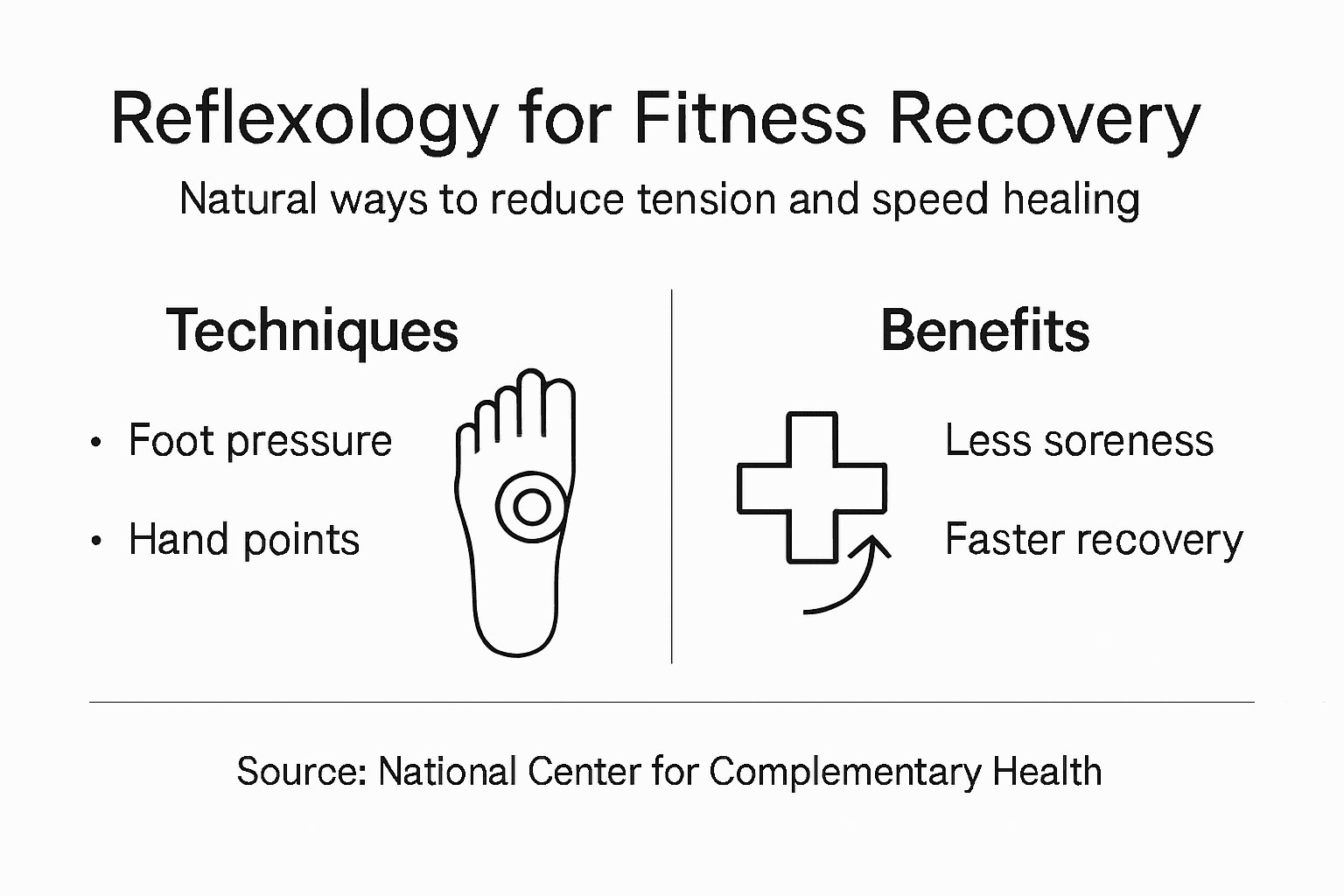
Foot Reflexology remains the most popular and widely practiced technique for fitness enthusiasts. This method involves applying targeted pressure to specific points on the feet that correspond with different muscle groups and body systems. By stimulating these zones, athletes can potentially experience reduced muscle soreness, improved blood flow, and accelerated recovery processes.
Other notable reflexology types for fitness recovery include:
- Hand Reflexology: Particularly useful for upper body athletes and those with limited foot mobility
- Ear Reflexology: Targets neurological pathways and can help manage stress-related muscle tension
- Facial Reflexology: Focuses on nervous system balance and potential stress reduction
- Craniosacral Reflexology: Aims to release deep muscular and neurological tension
The National Center for Complementary and Integrative Health emphasizes that while reflexology shows promise, scientific evidence remains limited. Most practitioners recommend viewing these techniques as complementary recovery strategies rather than standalone medical treatments.
Key Considerations for Athletes:
Here’s a quick comparison of reflexology types for athletic recovery:
| Reflexology Type | Target Area | Potential Benefits | Ideal For |
|---|---|---|---|
| Foot Reflexology | Feet | Reduced muscle soreness, improved blood flow | Runners, general athletes |
| Hand Reflexology | Hands | Upper body tension relief, enhanced grip | Weightlifters, climbers |
| Ear Reflexology | Ears | Neurological relaxation, stress management | High-stress athletes |
| Facial Reflexology | Face | Nervous system balance, stress reduction | Those with facial tension |
| Craniosacral Reflexology | Head, spine | Deep muscular relaxation, neurological relief | Athletes with chronic tension |
- Each reflexology type targets different body systems
- Individual responses can vary significantly
- Consistency is more important than expecting immediate results
- Professional guidance can help customize your approach
Reflexology works best when integrated into a comprehensive recovery strategy, not as a replacement for traditional medical care or professional athletic training.
Pro tip: Experiment with different reflexology techniques and track your body’s response, but always consult with a sports medicine professional to ensure the method complements your specific fitness regimen.
How reflexology targets muscle tension
Reflexology operates through a complex neurological mechanism that addresses muscle tension by targeting specific nerve pathways and stimulating the body’s natural relaxation responses. Neurophysiological research reveals that applying precise pressure to reflex points can trigger systemic relaxation processes that help athletes manage and reduce muscle tension.
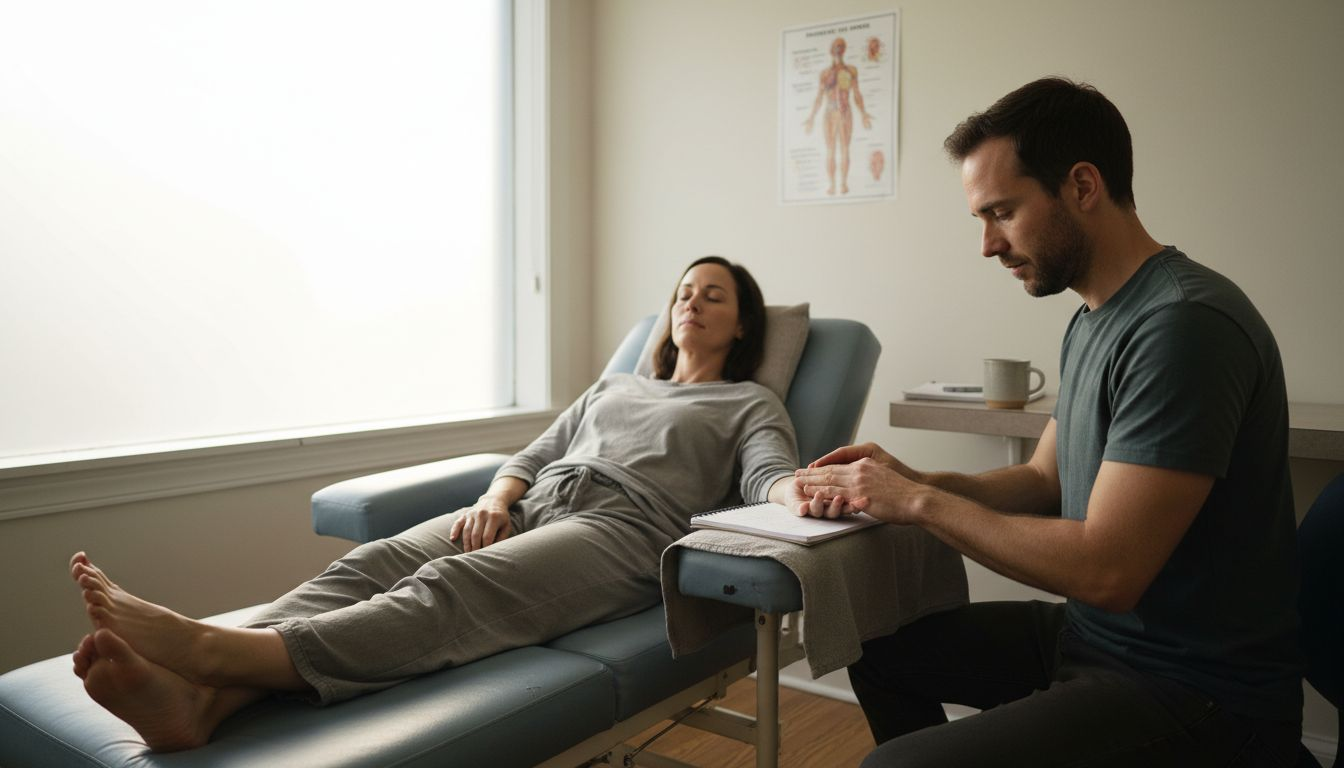
The primary method involves stimulating nerve endings in specific body zones, particularly the feet, which correspond to different muscle groups and physiological systems. When pressure is applied to these strategic points, it activates neural pathways that can help reset the body’s stress response, potentially reducing muscle tightness and promoting faster recovery.
Key mechanisms of muscle tension reduction through reflexology include:
- Peripheral Vasodilation: Improves blood circulation and assists in toxin removal
- Nervous System Rebalancing: Modulates sympathetic and parasympathetic responses
- Pain Perception Modulation: Utilizes gate control theory to interrupt pain signals
- Stress Hormone Regulation: Potentially reduces cortisol and other tension-related hormones
Physiological studies suggest that reflexology’s effectiveness stems from its ability to interact with the body’s complex neurological networks. By stimulating specific nerve endings, the technique can trigger a cascade of physiological responses that help muscles relax and recover more efficiently.
The body’s neural pathways are interconnected highways of communication, and reflexology acts like a strategic traffic controller, guiding tension relief and promoting systemic balance.
Key Considerations for Athletes:
For a clear overview, see how reflexology mechanisms address muscle tension:
| Mechanism | How It Works | Benefit for Athletes |
|---|---|---|
| Vasodilation | Expands blood vessels | Promotes faster toxin removal |
| Nervous System Balance | Shifts stress responses | Supports relaxation and recovery |
| Pain Modulation | Interferes with pain signals | Eases discomfort post-exercise |
| Hormone Regulation | Lowers stress hormones | Reduces tension, aids recovery |
- Reflexology is not a substitute for medical treatment
- Individual responses can vary significantly
- Consistent practice may yield better results
- Professional guidance is recommended for optimal outcomes
Pro tip: Combine reflexology with other recovery techniques like stretching and hydration to maximize muscle tension relief and athletic performance.
Scientific evidence and proven benefits
The scientific landscape of reflexology reveals a complex picture of potential benefits and ongoing research. Randomized controlled trials have begun exploring the therapeutic potential of reflexology, particularly in managing stress, fatigue, and pain among various populations, including athletes and healthcare workers.
Research indicates that while reflexology shows promising results, the scientific community maintains a cautious approach. The methodology typically involves examining how targeted pressure on specific body zones can influence physiological responses, stress levels, and recovery mechanisms. Current studies suggest potential benefits in reducing muscle tension, improving circulation, and supporting the body’s natural healing processes.
Key findings from scientific investigations include:
- Stress Reduction: Demonstrable decreases in cortisol and stress hormone levels
- Pain Management: Potential improvements in pain tolerance and perception
- Fatigue Mitigation: Evidence of reduced physical and mental exhaustion
- Nervous System Modulation: Indications of balanced autonomic nervous system responses
Comprehensive reflexology research highlights the therapy’s potential across multiple domains, including:
- Anxiety management
- Cancer symptom relief
- Enhanced pain tolerance
- Improved overall well-being
Scientific evidence suggests reflexology should be viewed as a complementary approach, not a standalone medical treatment.
Important Research Considerations:
- Most studies have limited sample sizes
- Long-term effects require further investigation
- Individual responses can vary significantly
- More rigorous research is needed for definitive conclusions
Pro tip: Approach reflexology as a potential complementary recovery technique, always consulting with healthcare professionals and maintaining realistic expectations about its scientific validation.
Risks, safety precautions, and professional standards
Reflexology, while generally considered safe, requires careful consideration of individual health conditions and professional expertise. Professional standards emphasize the importance of practitioners understanding potential risks, maintaining ethical practices, and recognizing when reflexology may not be appropriate for specific individuals.
Athletes and fitness enthusiasts should be aware of several key safety considerations before incorporating reflexology into their recovery routine. Certain medical conditions, recent injuries, or specific health complications might contraindicate reflexology treatment, making professional consultation crucial before beginning any therapeutic approach.
Potential risks and contraindications include:
- Pregnancy: Certain pressure points might trigger contractions
- Acute Injuries: Reflexology could exacerbate recent muscle or soft tissue damage
- Chronic Medical Conditions: Potential complications with diabetes, cardiovascular disorders
- Open Wounds: Risk of infection or further tissue damage
- Blood Clotting Disorders: Increased risk of complications from pressure techniques
Ethical reflexology practice requires practitioners to:
- Maintain strict client confidentiality
- Work within defined professional boundaries
- Recognize personal limitations
- Refer clients to appropriate healthcare professionals when necessary
Professional reflexology is about understanding individual health needs, not applying a one-size-fits-all approach.
Key Safety Recommendations:
- Always disclose full medical history to your practitioner
- Seek clearance from primary healthcare provider
- Start with gentle, short sessions
- Monitor your body’s response carefully
Pro tip: Request certification credentials from your reflexology practitioner and never hesitate to ask about their training, experience, and approach to managing potential health risks.
Enhance Your Fitness Recovery with Targeted Support from Armageddon Sports
Reflexology offers a natural way to reduce muscle tension and boost recovery by stimulating key nerve pathways and improving circulation. If you want to maximize these benefits and accelerate your post-workout healing process, complementing reflexology with the right fitness gear is essential. Whether you face persistent muscle soreness or seek to manage stress effectively after training, specialized equipment designed for recovery can make a real difference.

Discover a wide selection of fitness accessories and recovery tools at Armageddon Sports. From muscle stimulators to supportive belts and gloves, our products are crafted to enhance your comfort and performance. Start your journey to faster, safer recovery now. Visit Armageddon Sports and equip yourself with the best fitness solutions. Don’t wait to feel better and train smarter—explore our offerings today and take control of your recovery routine.
Frequently Asked Questions
What is reflexology, and how does it relate to fitness recovery?
Reflexology is a therapeutic practice that involves applying targeted pressure to specific points on the feet and hands, which correspond to different body systems. It can support fitness recovery by promoting relaxation, improving circulation, and reducing muscle tension after workouts.
Are there different types of reflexology techniques for athletes?
Yes, there are several types of reflexology techniques that can benefit athletes, including foot reflexology, hand reflexology, ear reflexology, facial reflexology, and craniosacral reflexology. Each technique targets different body zones and offers various potential benefits for physical recovery.
How does reflexology help reduce muscle tension?
Reflexology helps reduce muscle tension by stimulating specific nerve pathways in the body. This pressure can trigger systemic relaxation responses, improve blood circulation, and balance stress hormones, ultimately leading to reduced tightness and enhanced recovery.
Is there scientific evidence supporting the benefits of reflexology?
Yes, scientific research indicates that reflexology may help reduce stress, manage pain, and improve overall well-being. However, the evidence is still limited, and it is best viewed as a complementary approach rather than a primary medical treatment.
Recommended
- Reflexology Shoes - Acupuncture Massage Slippers Rotating Points Acupoint – Armageddon Sports
- EMS Foot Massager Mat: Fast Relief for Athletes – Armageddon Sports
- TENS & PMS, Transcutaneous Electronic Nerve Stimulator, EMS Foot Massage for Muscle Relaxation – Armageddon Sports
- Magnetic Foot Massage Insoles Feet Pain Relief Acupressure Shoes – Armageddon Sports