
Sore neck muscles can sideline even the most dedicated fitness routines, especially after an intense session in the gym. For fitness enthusiasts and bodybuilders striving for quicker recovery and pain relief, neck traction devices offer a focused, non-invasive approach that targets tension and muscle strain. With technology that gently creates space between the cervical vertebrae, these tools may help decrease nerve compression and support your performance goals. This guide breaks down how neck traction works, different device types, and practical benefits for your recovery regimen.
Table of Contents
- What Is a Neck Traction Device?
- Major Types and How Each Works
- Therapeutic Benefits and Real-World Applications
- Choosing the Right Device for Your Needs
- Risks, Safety Guidelines, and Common Mistakes
Key Takeaways
| Point | Details |
|---|---|
| Neck Traction Devices Support Recovery | These devices use controlled tension to alleviate neck pain, reduce muscle tension, and improve spinal alignment. |
| Choose Based on Individual Needs | Selecting the right device involves considering comfort, adjustability, and personal recovery goals. |
| Professional Guidance is Essential | Consultation with a healthcare professional can ensure safe, effective usage and prevent complications. |
| Start Gradually | Initiate use with low tension settings and slowly increase intensity to avoid strain. |
What Is a Neck Traction Device?
A neck traction device is a specialized therapeutic tool designed to decompress and stretch the cervical spine, providing targeted relief for neck pain and muscle tension. Unlike traditional massage techniques, these devices use controlled pulling mechanisms to create space between vertebrae, reducing pressure on nerves and supporting muscular recovery.
Neck traction devices work by gently pulling neck muscles using mechanical or manual techniques. The primary goal is to:
- Relieve compressed nerve roots
- Reduce muscle spasms
- Improve cervical spine alignment
- Decrease inflammation
- Enhance overall neck mobility
These devices come in multiple formats, including:
- Over-the-door hanging units
- Inflatable cervical collars
- Handheld mechanical stretchers
- Electronic motorized traction systems
Biomechanical principles drive neck traction technology. By applying consistent, controlled tension, these devices help separate vertebrae, creating micro-spaces that can alleviate chronic neck strain, particularly beneficial for fitness enthusiasts experiencing muscle tightness from intense training.
Neck traction devices provide a non-invasive alternative to manual manipulation, offering precision and consistent therapeutic intervention.
Physiological benefits extend beyond immediate pain relief. Regular use can help prevent long-term cervical spine issues, improve postural alignment, and support athletic recovery processes. Controlled tension application allows users to customize stretching intensity based on individual comfort and therapeutic needs.
Pro tip: Start with low tension settings and gradually increase duration and intensity to prevent potential muscle strain during neck traction therapy.
Major Types and How Each Works
Neck traction devices are broadly categorized into two primary types: manual and mechanical systems. Cervical traction technologies offer unique approaches to relieving neck tension and supporting muscular recovery, each with distinct operational mechanics and therapeutic benefits.
Manual Traction Devices involve direct human intervention:
- Performed by physical therapists
- Hands-on pulling technique
- Customizable pressure and angle
- Immediate feedback and adjustment
- Requires professional training
Mechanical Traction Devices include several sophisticated formats:
- Over-the-door hanging units
- Inflatable cervical collars
- Electronic motorized systems
- Pneumatic traction equipment
Mechanical positioning strategies demonstrate that different device angles can significantly impact therapeutic outcomes. Sitting versus inclined positions create varying degrees of vertebral separation, allowing users to target specific neck muscle groups and tension points.
Mechanical neck traction devices provide consistent, controlled force that manual methods cannot replicate.
Each device type offers unique advantages for fitness enthusiasts. Manual devices provide personalized, responsive treatment, while mechanical devices ensure consistent, programmable traction that can be used independently. The choice depends on individual needs, pain levels, and recovery goals.
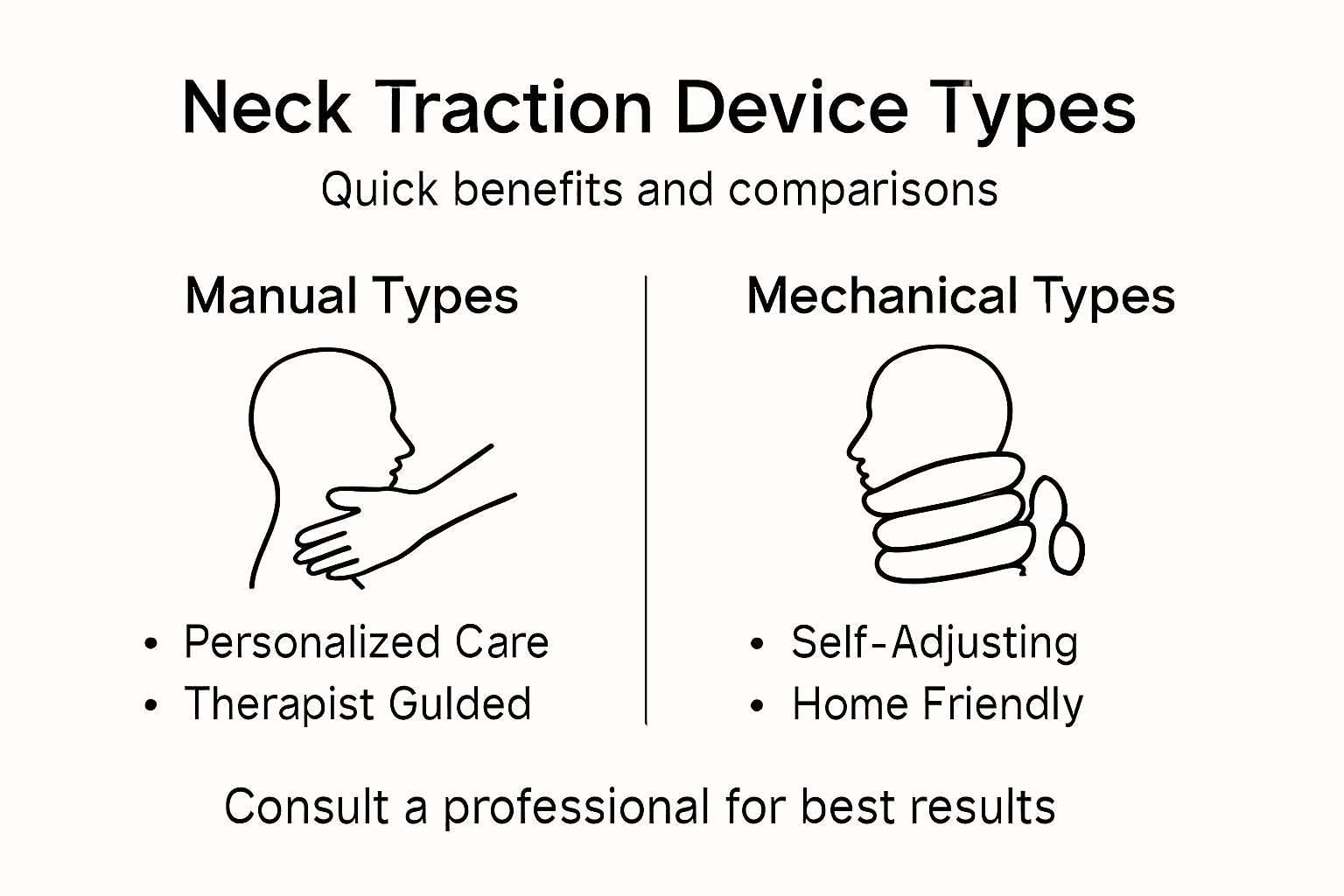
Here’s a side-by-side look at how manual and mechanical neck traction devices differ for users:
| Device Type | User Experience | Therapeutic Customization | Independence Level |
|---|---|---|---|
| Manual | Direct care from a therapist | Highly adjustable by expert | Requires professional involvement |
| Mechanical | Self-administered at home | Settings based on user controls | Enables independent use |
Pro tip: Consult a healthcare professional to determine the most appropriate neck traction device type for your specific muscular condition and recovery objectives.
Therapeutic Benefits and Real-World Applications
Neck traction devices offer comprehensive therapeutic benefits that extend far beyond simple pain management. Cervical traction interventions provide significant relief for individuals experiencing chronic neck conditions, targeting both structural and neurological challenges in the cervical spine.
Key Therapeutic Benefits include:
- Reducing nerve root compression
- Decreasing chronic neck pain
- Improving spinal mobility
- Enhancing muscle relaxation
- Supporting postural alignment
- Preventing degenerative disc conditions
Specific Applications for different populations:
- Athletes recovering from training injuries
- Office workers with sedentary-related neck strain
- Individuals with herniated disc symptoms
- Patients experiencing cervical radiculopathy
- Fitness enthusiasts managing muscular tension
Physical therapy protocols demonstrate that neck traction can be effectively integrated into comprehensive treatment plans. By combining mechanical traction with targeted exercises, practitioners can achieve more robust rehabilitation outcomes for patients with complex neck conditions.
Neck traction represents a non-invasive, scientifically supported approach to managing cervical spine health and reducing musculoskeletal discomfort.
For fitness enthusiasts, neck traction devices offer a proactive approach to preventing workout-related injuries and supporting long-term muscular health. The ability to decompress vertebrae and reduce nerve tension can significantly enhance recovery times and overall physical performance.
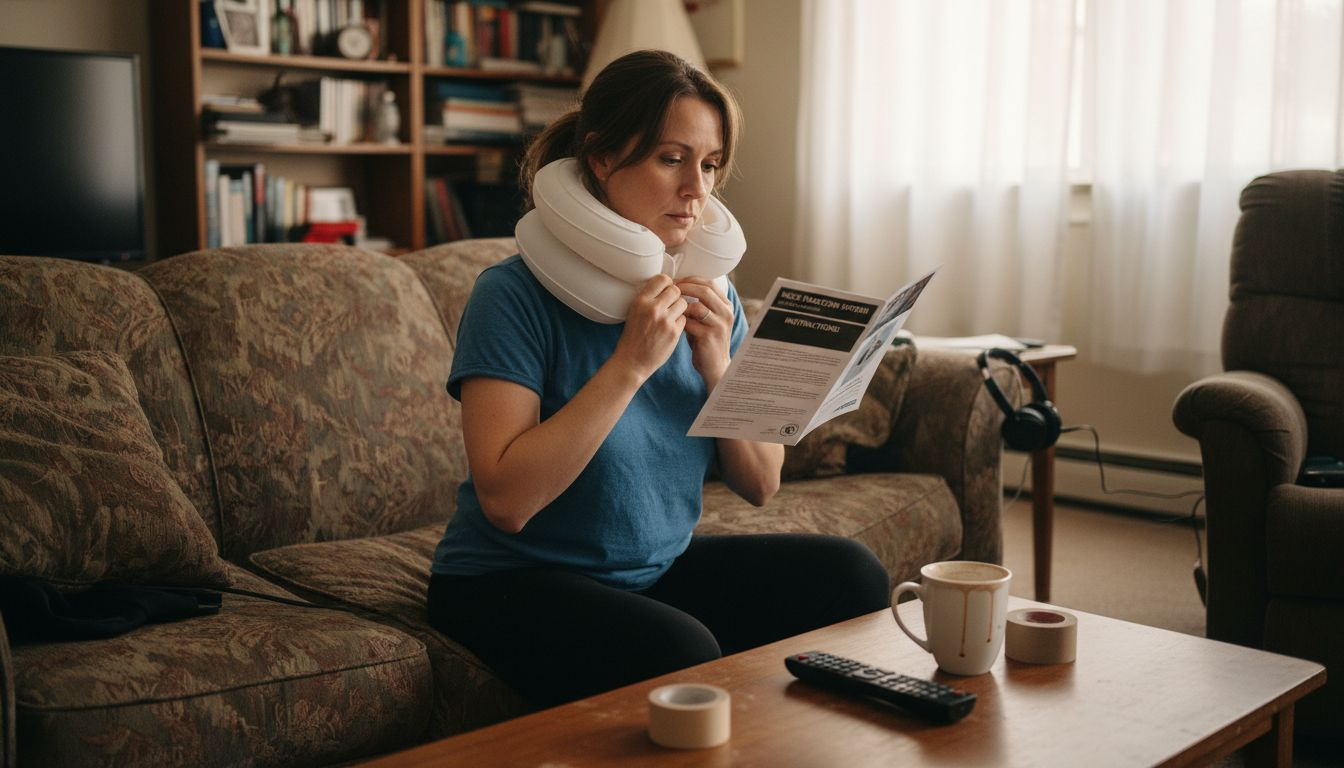
Pro tip: Incorporate neck traction as a preventative maintenance strategy, not just a reactive treatment for existing pain.
Choosing the Right Device for Your Needs
Neck traction devices vary significantly in design, functionality, and therapeutic potential. Home traction device selection requires careful consideration of individual health needs, comfort preferences, and specific rehabilitation goals.
Critical Selection Factors include:
- Desired traction pressure range
- Ease of self-application
- Adjustability and angle options
- Comfort and ergonomic design
- Personal fitness and recovery objectives
- Budget constraints
Device Categories for fitness enthusiasts:
- Air-inflated cervical collars
- Over-the-door hanging units
- Mechanical pulley systems
- Electronic motorized devices
- Portable handheld traction tools
Traction device recommendations emphasize the importance of professional medical consultation before implementation. Each device offers unique benefits, and matching the right technology to specific neck condition is crucial for effective treatment.
Not all neck traction devices are created equal - precision in selection matters more than generic features.
Professional athletes and fitness enthusiasts should prioritize devices offering customizable tension, multiple positioning options, and progressive resistance capabilities. The goal is finding a device that integrates seamlessly into existing recovery and training protocols.
Pro tip: Schedule a consultation with a sports physiotherapist to perform a comprehensive neck assessment before investing in a traction device.
Risks, Safety Guidelines, and Common Mistakes
Neck traction devices require careful and informed usage to prevent potential complications. Cervical traction safety protocols emphasize the critical importance of understanding potential risks and implementing proper techniques to ensure safe application.
Common Mistakes to Avoid:
- Applying excessive traction force
- Using devices without medical consultation
- Ignoring persistent pain signals
- Incorrect device positioning
- Prolonged continuous traction
- Neglecting individual anatomical differences
Potential Risks Include:
- Muscle strain
- Nerve compression
- Increased neck pain
- Temporary numbness
- Potential tissue damage
Safety guidelines for home devices recommend implementing strict monitoring protocols. Fitness enthusiasts must prioritize gradual force application, maintain proper body alignment, and immediately discontinue use if experiencing discomfort.
Below is a concise summary of key safety considerations for neck traction device users:
| Safety Factor | Why It Matters | Consequence of Neglect |
|---|---|---|
| Force Calibration | Prevents muscle overstrain | Increases risk of injury |
| Body Position | Ensures effective traction | Reduces therapeutic benefit |
| Medical Supervision | Tailors therapy to needs | May worsen existing issues |
Neck traction is a precision intervention - not a one-size-fits-all solution.
Professional athletes should approach neck traction as a nuanced recovery technique requiring professional guidance, individual assessment, and consistent medical supervision. Understanding your body’s unique biomechanical responses is crucial for safe and effective treatment.
Pro tip: Always consult a sports medicine professional who can provide personalized guidance tailored to your specific musculoskeletal condition.
Optimize Your Neck Recovery with Essential Fitness Gear
Neck pain and muscle tension can hold back your fitness progress. Whether you are an athlete or a workout enthusiast, using the right neck traction device is critical for relieving nerve compression and improving muscle recovery. This article highlights how controlled tension and proper cervical alignment empower you to reduce pain and boost workout efficiency. At Armageddon Sports, we understand the challenges of maintaining peak physical condition while managing recovery and offer a wide selection of Health & Fitness Equipment designed to support your journey.

Take charge of your muscle health today by choosing from top-quality fitness and wellness devices tailored for your needs. Visit our Home page and explore solutions built to enhance recovery, prevent injury, and keep your neck strong. Don’t wait for pain to slow you down. Act now and experience the benefits of targeted neck support combined with expert-approved fitness gear at Armageddon Sports.
Frequently Asked Questions
What is a neck traction device?
A neck traction device is a therapeutic tool designed to decompress and stretch the cervical spine, providing relief for neck pain and muscle tension through controlled pulling mechanisms.
How do I choose the right neck traction device for my needs?
Consider factors such as desired traction pressure, ease of self-application, adjustability, comfort, and your specific fitness recovery objectives when selecting a device.
What are the differences between manual and mechanical neck traction devices?
Manual devices involve direct care from a therapist and offer customizable treatment, while mechanical devices are self-administered and provide consistent, programmable traction without the need for professional intervention.
What are the potential risks associated with using neck traction devices?
Potential risks include muscle strain, nerve compression, increased neck pain, and temporary numbness. It’s important to avoid excessive force and consult a healthcare professional before use.
Recommended
- Best Inflatable Neck Traction Pillow Cervical Spine Collar Device Shoulder Pain Relief – Armageddon Sports
- Neck Workout Guide - How to Train Your Neck Muscles? – Armageddon Sports
- Neck Trainer Workout Harness Strap Weights Training | Armageddon Sports
- Adjustable Tourmaline Back Belt Magnetic Therapy Self Heating Support Lumbar Brace Waist – Armageddon Sports