
Every fitness enthusiast knows the struggle of waking up feeling drained despite sticking to a strict training plan. For those in urban centers across North America, Europe, and Asia who rely on CPAP machines, uninterrupted sleep is the foundation for maximizing recovery and muscle growth. A CPAP machine delivers consistent air pressure to keep airways open at night, preventing sleep disruptions that can hinder your performance. Discover how quality sleep with CPAP technology can transform your workout results and overall health.
Table of Contents
- What Is a CPAP Machine for Sleep Apnea
- Types of CPAP Machines and Their Differences
- Key Features and How CPAP Works
- CPAP Benefits for Workout Recovery and Health
- Common Risks, Side Effects, and Mistakes
- Alternatives to CPAP and When to Consider Them
Key Takeaways
| Point | Details |
|---|---|
| CPAP Machines Effectiveness | CPAP machines are the most effective treatment for obstructive sleep apnea, improving sleep quality and reducing health risks. |
| Types of CPAP Machines | Different CPAP machines cater to varying sleep apnea complexities, including Fixed-Pressure, Auto-Adjusting, and BiPAP options. |
| CPAP Benefits for Recovery | Regular use of CPAP machines enhances workout recovery by promoting muscle repair and reducing fatigue in athletes. |
| Managing Side Effects | Address potential side effects through proper mask fitting, maintaining equipment, and consulting with specialists for optimal comfort. |
What Is a CPAP Machine for Sleep Apnea
A CPAP machine is a specialized medical device designed to treat sleep apnea, a serious sleep disorder characterized by repeated breathing interruptions during rest. Continuous positive airway pressure devices work by delivering consistent air pressure to keep airways open, preventing dangerous breathing pauses that can compromise sleep quality and overall health.
Sleep apnea occurs when throat muscles repeatedly relax and block airways, causing momentary breathing cessations. These interruptions can happen dozens of times per hour, leading to significant health risks:
- Reduced oxygen intake during sleep
- Increased cardiovascular strain
- Potential cognitive impairment
- Disrupted sleep cycles
- Higher risk of heart disease and stroke
The CPAP machine consists of several critical components that work together to ensure uninterrupted breathing:
- Motor/Blower: Draws in room air and pressurizes it
- Mask: Covers nose or mouth to deliver pressurized air
- Tube: Connects motor to mask
- Air Filter: Removes particulates and ensures clean air delivery
CPAP machines are the most effective treatment for obstructive sleep apnea, improving oxygen levels and reducing associated health risks.
Pro tip: Consult a sleep specialist to determine the appropriate air pressure settings for your specific sleep apnea condition and ensure optimal machine performance.
Types of CPAP Machines and Their Differences
Sleep apnea treatment involves multiple CPAP machine types, each designed to address specific breathing challenges. Different CPAP machine configurations offer unique advantages for patients with varying sleep disorder complexities, ensuring personalized respiratory support during rest.
The primary types of CPAP machines include:
- Fixed-Pressure CPAP: Delivers constant air pressure throughout the night
- Auto-Adjusting CPAP (APAP): Dynamically changes pressure based on breathing patterns
- Bilevel Positive Airway Pressure (BiPAP): Provides different pressures for inhalation and exhalation
Fixed-pressure CPAP machines remain the most traditional approach, providing a steady, predetermined air pressure recommended by a sleep specialist. These devices work best for patients with consistent airway obstruction patterns and predictable breathing challenges.
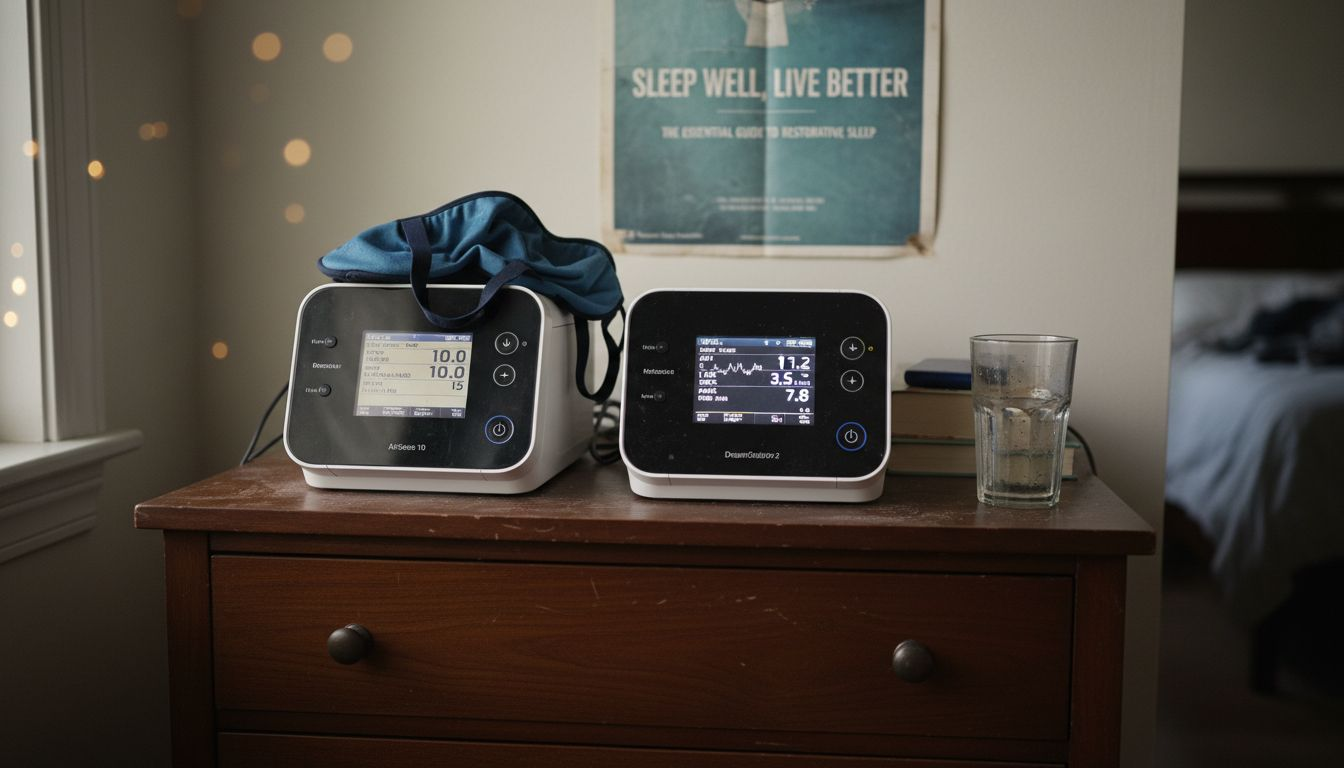
Auto-adjusting CPAP machines offer more sophisticated respiratory management. By continuously monitoring breathing, these devices can:
Here’s how the three main types of CPAP machines differ:
| CPAP Type | Pressure Delivery | Best For | Typical Scenario |
|---|---|---|---|
| Fixed-Pressure CPAP | Constant, preset level | Users with stable breathing issues | Standard obstructive sleep apnea |
| Auto-Adjusting (APAP) | Varies throughout night | Those with changing sleep patterns | Positional or REM-related apnea |
| BiPAP | Inhale/exhale settings differ | Complex cases or higher pressure needs | Central or mixed sleep apnea |
- Detect subtle airway changes
- Automatically modify air pressure
- Respond to positional shifts during sleep
- Accommodate variations in breathing resistance
BiPAP machines represent the most advanced respiratory support, particularly beneficial for patients with complex breathing disorders or those struggling with standard CPAP pressures.
Pro tip: Consult a sleep medicine professional to determine which CPAP machine configuration matches your specific physiological needs and sleep apnea severity.
Key Features and How CPAP Works
CPAP machines are sophisticated respiratory devices designed to maintain open airways during sleep. Continuous positive airway pressure mechanics involve generating consistent air pressure to prevent breathing interruptions and ensure unobstructed respiratory function.
The core components of a CPAP machine include:
- Motor/Blower: Generates pressurized air
- Flexible Tube: Transports air from machine to mask
- Mask Interface: Delivers air directly to respiratory passages
- Air Filter: Removes particulates and ensures clean air delivery
Mask selection plays a critical role in CPAP effectiveness. Patients can choose from three primary mask configurations:
- Nasal Masks: Cover only the nose
- Full-Face Masks: Cover nose and mouth
- Nasal Pillow Masks: Minimal design with small nostril cushions
Modern CPAP machines offer advanced features to enhance user comfort and therapy effectiveness. These typically include:
- Adjustable pressure settings
- Heated humidification
- Quiet operational modes
- Data tracking and reporting
- Bluetooth connectivity for sleep monitoring
Proper mask fit and consistent usage are essential for maximizing the therapeutic benefits of CPAP technology.
Pro tip: Work closely with a sleep specialist to customize your CPAP machine settings and mask configuration for optimal respiratory support.
CPAP Benefits for Workout Recovery and Health
CPAP therapy benefits extend far beyond managing sleep apnea, offering critical advantages for fitness enthusiasts seeking optimal physical performance and recovery. By ensuring consistent, high-quality sleep, CPAP machines play a transformative role in athletes’ physiological restoration and overall wellness.
The primary workout recovery benefits of CPAP include:
- Enhanced muscle repair and regeneration
- Improved metabolic recovery
- Reduced inflammation
- Better hormonal regulation
- Increased growth hormone production during deep sleep stages
Sleep quality directly impacts multiple critical aspects of athletic performance. Consistent CPAP usage can help athletes experience:
- Faster muscle recovery
- Reduced exercise-induced fatigue
- Improved mental focus and cognitive function
- More stable energy levels
- Enhanced immune system response
Cardiovascular health sees significant improvements with regular CPAP therapy. Reducing overnight breathing interruptions helps minimize strain on the heart, potentially lowering risks associated with high blood pressure and cardiovascular complications.
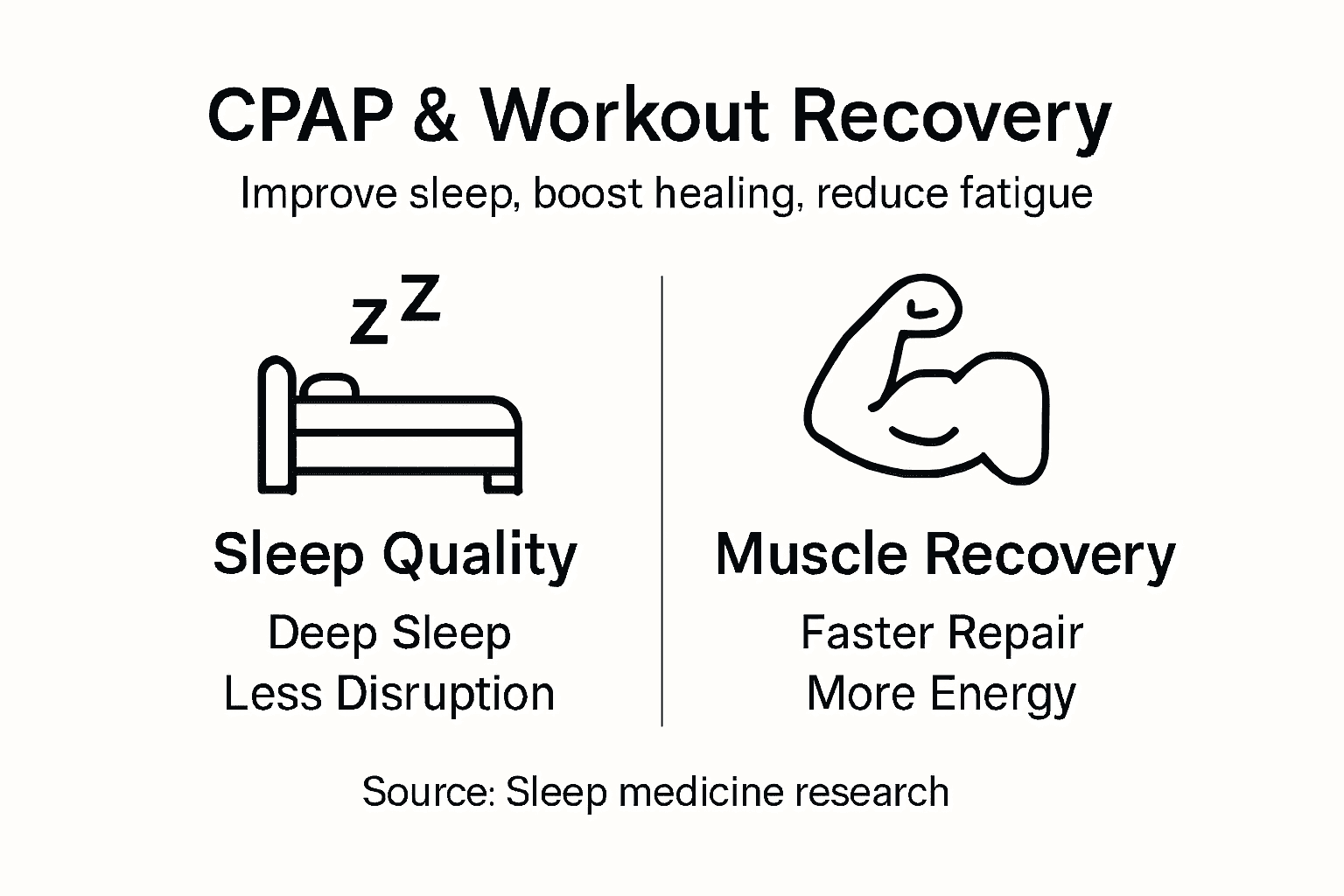
Consistent CPAP use can dramatically improve sleep quality, translating into more effective workout recovery and enhanced athletic performance.
Pro tip: Consult with both a sleep specialist and your athletic trainer to develop a personalized CPAP strategy that optimizes your specific recovery and performance goals.
Common Risks, Side Effects, and Mistakes
CPAP machine side effects can significantly impact user comfort and therapy effectiveness if not properly managed. Athletes and fitness enthusiasts using CPAP machines must understand potential challenges to maintain consistent treatment and optimize sleep quality.
Common physical side effects include:
- Nasal dryness and congestion
- Skin irritation from mask contact
- Bloating from air pressure
- Sore throat
- Eye irritation from mask air leaks
Mistakes that compromise CPAP effectiveness often stem from:
- Improper mask fitting
- Incorrect pressure settings
- Inconsistent cleaning routines
- Poor equipment maintenance
- Inadequate humidity management
Most side effects can be mitigated through proactive strategies. Potential solutions include using heated humidifiers, trying different mask styles, adjusting pressure settings, and maintaining rigorous equipment cleaning protocols.
This table summarizes potential CPAP side effects and ways to address them:
| Side Effect | Possible Cause | Management Tip |
|---|---|---|
| Nasal dryness | Low humidity | Add a heated humidifier |
| Skin irritation | Poor mask fit | Try different mask size |
| Bloating | Excess air pressure | Adjust pressure settings |
| Sore throat | Leaks or dryness | Check mask seal, increase humidity |
| Eye irritation | Mask air leaks | Reposition or try new mask style |
Addressing CPAP side effects promptly can prevent therapy disruption and ensure continuous respiratory support during sleep.
Pro tip: Schedule quarterly consultations with your sleep specialist to review and optimize your CPAP machine settings and address any emerging comfort issues.
Alternatives to CPAP and When to Consider Them
Sleep apnea treatment alternatives provide critical options for patients struggling with traditional CPAP therapy. Understanding these alternatives can help fitness enthusiasts and athletes find more comfortable respiratory support strategies tailored to their individual needs.
Primary alternatives to CPAP include:
- Oral Appliances: Reposition jaw to maintain open airways
- Positional Therapy: Prevent sleeping in positions that trigger apnea
- Weight Loss Programs: Reduce underlying anatomical obstructions
- Surgical Interventions: Remove or reposition problematic tissue
- Nerve Stimulation Devices: Activate muscles to keep airways open
Critical considerations for selecting alternative treatments involve:
- Severity of sleep apnea diagnosis
- Individual anatomical characteristics
- Overall health and fitness conditions
- Personal comfort and compliance potential
- Recommended treatment by sleep specialists
Some emerging technologies like hypoglossal nerve stimulation offer promising alternatives for patients with specific physiological profiles. These advanced interventions can provide targeted respiratory support without the potential discomfort associated with traditional CPAP machines.
Not all sleep apnea treatments work identically; personalized medical evaluation remains crucial for determining the most effective intervention.
Pro tip: Consult multiple healthcare professionals to comprehensively assess your unique sleep apnea condition and explore the most suitable treatment alternatives.
Enhance Your Workout Recovery with the Right Support Gear
Struggling to maximize your muscle repair and reduce fatigue even with consistent CPAP therapy for sleep apnea This article highlights how CPAP machines improve sleep quality and aid in workout recovery by enhancing oxygen flow and reducing inflammation. Combining this advanced respiratory care with high-quality fitness accessories can elevate your recovery process and overall performance Dramatic improvements in energy and focus start with addressing key sleep challenges.

Discover how specialized gear from Armageddon Sports supports your strength training and recovery goals. From muscle stimulators to recovery accessories get the right tools that complement your CPAP therapy and help you push harder and recover faster Explore our collection now for exclusive offers and expert customer support Don’t wait — optimize your fitness journey and recovery today at Armageddon Sports.
Frequently Asked Questions
What is a CPAP machine and how does it work?
A CPAP (Continuous Positive Airway Pressure) machine is a medical device that helps treat sleep apnea by delivering a steady stream of air to keep your airways open during sleep. This prevents breathing interruptions, leading to improved sleep quality and health.
How does CPAP improve workout recovery?
Using a CPAP machine enhances workout recovery by ensuring consistent, quality sleep. Improved sleep aids muscle repair, reduces inflammation, and regulates hormones, which collectively support faster recovery and better athletic performance.
What are the types of CPAP machines available?
There are three main types of CPAP machines: Fixed-Pressure CPAP, which delivers constant air pressure; Auto-Adjusting CPAP (APAP), which adjusts pressure based on your breathing patterns; and Bilevel Positive Airway Pressure (BiPAP), which provides different pressures for inhalation and exhalation.
What common side effects might occur from using a CPAP machine?
Common side effects include nasal dryness, skin irritation from the mask, bloating, sore throat, and eye irritation due to mask leaks. Most side effects can be managed through proper mask fitting, humidification, and adjusting pressure settings.
Recommended
- Chin Strap for Sleeping: Boosting Fitness Recovery – Armageddon Sports
- Top 6 Jaw Straps for Sleeping in 2026 for Better Sleep Quality – Armageddon Sports
- Anti Snoring Pillow: Better Sleep for Athletes – Armageddon Sports
- Stop Snoring Naturally: Achieve Deep Restful Sleep Fast – Armageddon Sports
- Dihanje na kvadrat oziroma t.i. “box breathing”