
Neck discomfort can sideline even the most dedicated fitness professionals during a heavy training cycle. Intense strength workouts place significant stress on the cervical spine, leaving athletes at risk for muscle strain, nerve irritation, and decreased performance. Understanding the intricacies of cervical spine anatomy and common injury mechanisms helps trainers and bodybuilders worldwide safeguard neck health through smarter prevention and recovery strategies tailored for strength sports.
Table of Contents
- Cervical Neck Anatomy And Common Issues
- Causes Of Cervical Neck Strain In Training
- Recognizing Strain: Symptoms And Risk Factors
- Prevention Strategies For Weightlifters
- Effective Recovery Tools And Support Gear
Key Takeaways
| Point | Details |
|---|---|
| Cervical Spine Complexity | The cervical spine comprises seven vertebrae that provide stability and flexibility. Proper training and technique are essential to prevent injuries. |
| Common Issues for Athletes | Conditions like disc herniation and muscle strains can significantly hinder athletic performance. Recognizing symptoms early can mitigate long-term complications. |
| Prevention Strategies | Athletes should integrate progressive weight training, proper warm-ups, and muscle strengthening exercises to prevent cervical strain. Mindful training practices are vital for injury prevention. |
| Effective Recovery Tools | Utilize specialized equipment like traction devices and ergonomic support to enhance recovery. A personalized recovery toolkit can optimize neck health and performance. |
Cervical Neck Anatomy and Common Issues
The human cervical spine is a remarkably complex and dynamic anatomical structure that plays a critical role in supporting the head and enabling sophisticated movement patterns. Comprising seven vertebrae, the cervical spine provides both stability and flexibility essential for athletes and fitness enthusiasts.
The cervical spine is divided into two primary segments:
- Craniocervical Junction (C1-C2): Responsible for head rotation and nodding movements
- Subaxial Spine (C3-C7): Enables broader neck movements and supports significant muscle attachments
Critical anatomical components include vertebrae, intervertebral discs, ligaments, and an intricate network of muscles that work together to provide structural integrity and movement capabilities. These structures protect critical neurovascular pathways and support the significant biomechanical demands placed on the neck during intense physical activities.
Common issues that fitness enthusiasts might encounter include:
Here is a summary of common cervical spine issues and their unique challenges for athletes:
| Condition | Main Risk For Athletes | Typical Training Impact |
|---|---|---|
| Disc herniation | Nerve irritation, pain | Reduced strength, lost time |
| Muscle strain | Localized weakness, spasm | Limited motion, missed lifts |
| Spinal stenosis | Chronic discomfort, stiffness | Decreased flexibility |
| Nerve impingement | Radiating symptoms, loss of control | Compromised performance |
- Disc herniation from improper lifting techniques
- Muscle strains due to overexertion
- Spinal stenosis resulting from repetitive stress
- Nerve impingement causing radiating pain
The cervical spine’s complexity demands respect and careful training to maintain optimal functionality.
Pro Tip: Incorporate progressive neck strengthening exercises and maintain proper form to prevent potential cervical spine injuries during high-intensity training.
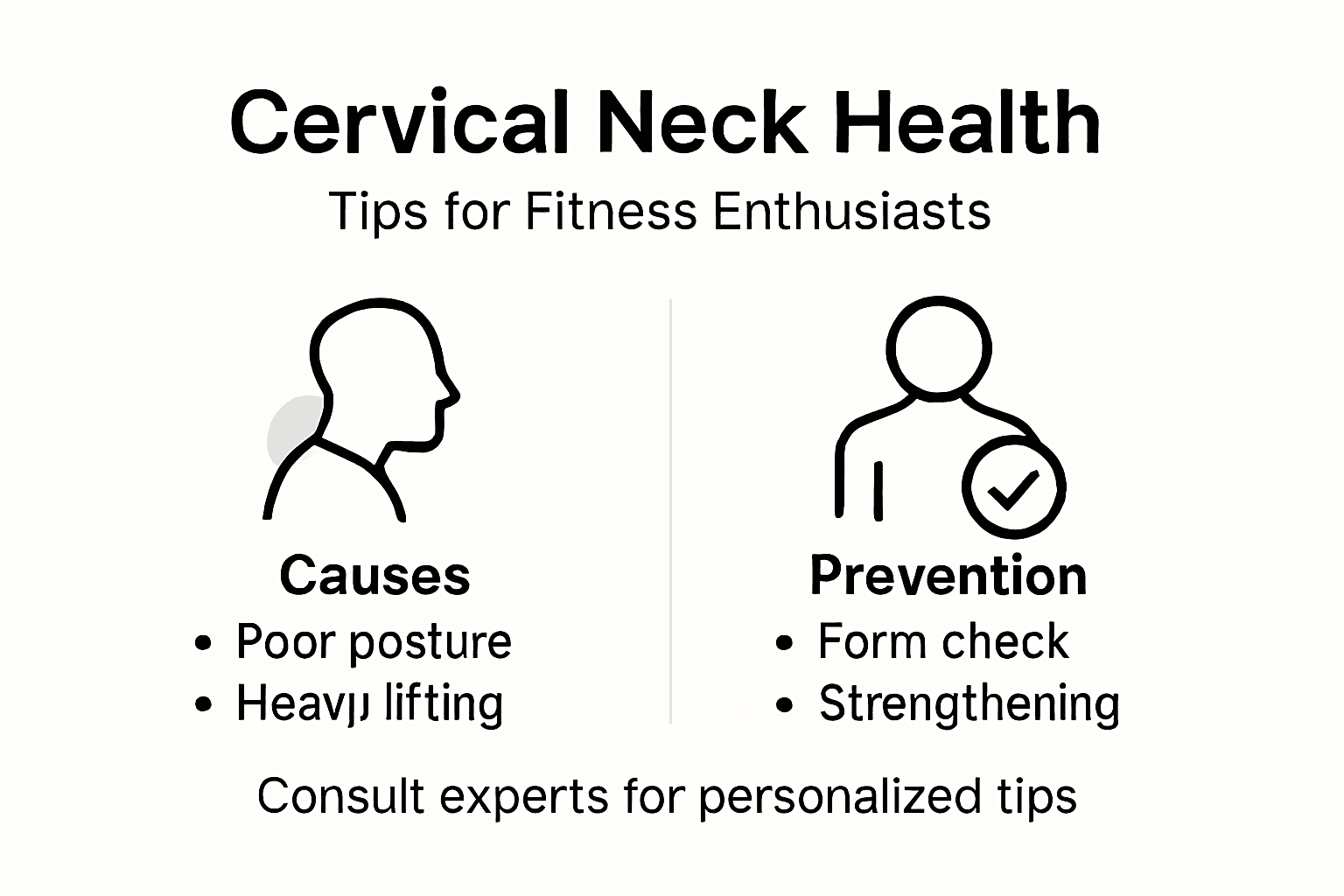
Causes of Cervical Neck Strain in Training
Fitness enthusiasts frequently encounter cervical neck strain due to complex biomechanical challenges during intense training. Excessive forces applied to the cervical spine can trigger significant musculoskeletal injuries that compromise athletic performance and long-term neck health.
The primary mechanisms of cervical neck strain include:
- Acute trauma during high-intensity lifts
- Repetitive motion without proper technique
- Sudden acceleration-deceleration movements
- Muscle imbalances and poor postural alignment
- Inadequate warm-up and mobility preparation
Training-related risk factors that contribute to neck strain are multifaceted and often interconnected. Weightlifters and athletes are particularly susceptible due to the significant biomechanical stress placed on cervical structures during complex movements. Some critical risk indicators include:
- Previous neck or shoulder injuries
- Muscle weakness in supporting neck musculature
- Improper lifting mechanics
- Insufficient recovery between intense training sessions
Recognizing early warning signs and implementing preventative strategies is crucial for maintaining cervical spine health during athletic training.
Neurological symptoms such as radiating pain, numbness, or reduced range of motion can indicate underlying cervical strain complications. Professional athletes and fitness enthusiasts must prioritize proper technique, gradual progressive loading, and comprehensive muscle balance to mitigate potential neck injury risks.
Pro Tip: Integrate targeted neck stabilization exercises and maintain strict form during all lifting movements to reduce cervical strain potential.
Recognizing Strain: Symptoms and Risk Factors
Cervical neck strain presents a complex array of symptoms that fitness enthusiasts must carefully monitor to prevent long-term complications. Muscle strains cause distinctive pain patterns that can significantly impact athletic performance and training continuity.
Key symptoms of cervical neck strain include:
- Localized muscle pain and tenderness
- Reduced range of motion
- Muscle weakness and stiffness
- Inflammation and potential mild swelling
- Radiating pain into shoulders or arms
- Headaches originating from neck tension
Risk factors for developing cervical neck strain are multifaceted and interconnected. Athletes and fitness professionals should be particularly vigilant about the following potential contributors:
- Previous neck or shoulder injuries
- Inadequate warm-up routines
- Poor lifting technique
- Muscle imbalances
- Insufficient recovery between intense training sessions
Early recognition of strain symptoms can prevent progression to chronic neck conditions and long-term mobility restrictions.
Neurological indicators such as numbness, tingling sensations, or sharp shooting pains require immediate professional assessment. Professional athletes must develop heightened body awareness and implement proactive strategies to mitigate potential neck strain risks during high-intensity training.
Pro Tip: Develop a comprehensive mobility assessment routine that includes regular neck flexibility checks and targeted strengthening exercises to reduce strain vulnerability.
Prevention Strategies for Weightlifters
Weightlifters must take a proactive approach to cervical neck health, understanding that prevention is far more effective than treatment. Preventing neck pain requires strategic intervention through comprehensive training methodologies and biomechanical awareness.
Key prevention strategies include:
- Maintaining proper lifting posture
- Gradually progressing weight loads
- Strengthening supporting muscle groups
- Implementing comprehensive warm-up routines
- Using appropriate training equipment
- Practicing controlled movement patterns
Effective neck strain prevention demands a multi-dimensional approach targeting several critical aspects of athletic performance:
- Technical form and movement mechanics
- Muscular conditioning and balance
- Recovery and regeneration protocols
- Psychological awareness and body monitoring
- Systematic progressive overload techniques
Consistent, mindful training practices are the foundation of sustainable athletic performance and injury prevention.
Cervical spine health requires weightlifters to develop an intricate understanding of body mechanics, muscle engagement, and biomechanical stress management. Professional athletes must cultivate a holistic approach that integrates technical precision, muscular awareness, and intelligent training progression to minimize neck strain risks.
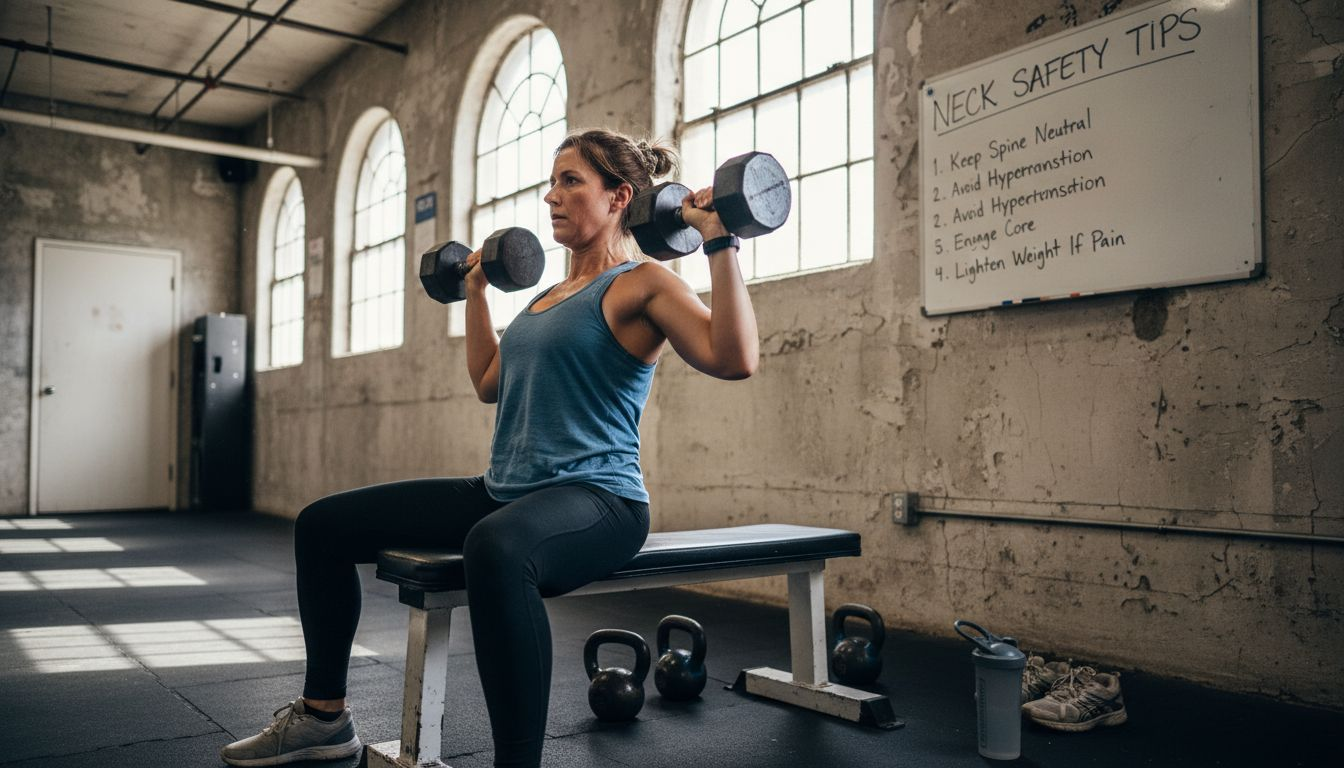
Pro Tip: Incorporate weekly neck-specific mobility and stability exercises into your training regimen to build resilience and reduce potential strain vulnerabilities.
Effective Recovery Tools and Support Gear
Fitness enthusiasts require specialized equipment to support cervical neck health and accelerate recovery from training-related stress. Cervical traction devices provide mechanical decompression for targeted neck rehabilitation and pain management.
Key recovery tools for cervical neck health include:
The table below compares popular cervical neck recovery tools and their key recovery functions:
| Tool Type | Primary Benefit | Typical User Scenario |
|---|---|---|
| Inflatable traction collar | Gentle decompression | Home relief, post-workout soreness |
| Mechanical traction unit | Deep tissue decompression | Recovery from acute neck pain |
| Neck resistance bands | Muscle strengthening | Preventive exercise, progressive loads |
| Ergonomic neck support | Posture alignment, stability | Daily use, sleep support |
- Inflatable neck traction collars
- Over-the-door mechanical traction units
- Motorized cervical decompression systems
- Resistance bands for neck muscle strengthening
- Mechanical neck trainers with multi-plane movement capabilities
- Ergonomic neck support braces
Comprehensive neck recovery strategies encompass multiple equipment categories designed to address different rehabilitation needs:
- Mechanical decompression devices
- Muscle strengthening equipment
- Mobility and flexibility tools
- Postural correction supports
- Soft tissue manipulation accessories
Advanced recovery tools transform neck rehabilitation from reactive treatment to proactive performance optimization.
The most effective neck recovery approaches integrate multiple tool types, allowing athletes to progressively rebuild strength, improve mobility, and prevent future injuries. Professional athletes and fitness enthusiasts must select equipment that provides targeted, scientifically-supported interventions tailored to their specific biomechanical requirements.
Pro Tip: Consult with a sports physiotherapist to develop a personalized recovery toolkit that matches your specific neck health and training objectives.
Protect Your Cervical Neck Health with the Right Fitness Gear
Understanding cervical spine anatomy and recognizing the risks of neck strain during training is essential for every fitness enthusiast. The article highlights key challenges such as disc herniation, muscle strain, and nerve impingement that can compromise your performance and long-term wellbeing. If you want to maintain proper lifting posture, strengthen supporting muscle groups, and accelerate recovery, choosing the right equipment is crucial.

Take control of your neck health today by exploring premium fitness accessories at Armageddon Sports. Our selection includes supportive gear designed to improve your lifting mechanics and reduce cervical strain risks. Start strengthening safely, recover efficiently, and sustain your workout goals by visiting Armageddon Sports now and discover tools crafted for serious athletes like you.
Frequently Asked Questions
What are common cervical neck issues for fitness enthusiasts?
Common cervical neck issues include disc herniation, muscle strains, spinal stenosis, and nerve impingement. These conditions can lead to pain, stiffness, and compromised athletic performance.
How can I prevent cervical neck strain during workouts?
To prevent cervical neck strain, maintain proper lifting posture, gradually progress weight loads, strengthen supporting muscle groups, and implement comprehensive warm-up routines.
What symptoms indicate a cervical neck strain?
Key symptoms of cervical neck strain include localized muscle pain, reduced range of motion, muscle weakness, inflammation, radiating pain into shoulders or arms, and headaches.
What recovery tools are effective for cervical neck health?
Effective recovery tools for cervical neck health include inflatable traction collars, mechanical traction units, neck resistance bands, and ergonomic neck supports, each serving different rehabilitation and preventive purposes.
Recommended
- Neck Workout Guide - How to Train Your Neck Muscles? – Armageddon Sports
- Neck Workout Guide for Strength and Injury Prevention – Armageddon Sports
- Neck Stretcher Benefits: Relief and Performance Impact – Armageddon Sports
- Neck Traction Device: Enhancing Fitness Recovery – Armageddon Sports
- Strength Standards Calculator - Am I Strong? | FineGym